









What Missourians Need to Know
New World screwworm (NWS) is a harmful parasitic fly that can affect livestock, wildlife, pets, and occasionally people. A recent detection of NWS in Texas has increased concern about the potential spread of this pest in the United States.
Missourians can help protect animals and wildlife by watching for unusual wounds or signs of infestation and reporting concerns. Missouri agencies are working together to ensure early detection, clear reporting pathways, and a rapid response if a suspected case is identified.
What Is New World Screwworm?
New World screwworm is the larval stage of a fly (Cochliomyia hominivorax). Unlike many other fly species, screwworm larvae infest living tissue, entering through open wounds or natural body openings. The larvae feed on tissue, causing wounds to enlarge and potentially leading to severe injury or death if untreated.
NWS primarily affects:
- Livestock (cattle, sheep, goats, swine, horses)
- Wildlife
- Pets
- Rarely, humans
New World Screwworm Life Cycle and Temperature Requirements
Understanding the life cycle of New World screwworm helps explain why climate, season, and rapid response are so important in preventing establishment.
Life Cycle Overview
New World screwworm completes its life cycle in four stages:
- Egg – Adult female flies lay clusters of eggs on the edges of fresh wounds or natural body openings of live animals. Eggs typically hatch within 12–24 hours.
- Larva (Maggot) – After hatching, larvae burrow into the wound and feed on living tissue. This stage causes the most damage and lasts approximately 5–7 days.
- Pupa – Mature larvae drop to the ground and burrow into soil to pupate. The pupal stage generally lasts 7–10 days, depending on temperature.
- Adult Fly – Adult flies emerge, mate, and repeat the cycle. Adults can travel several miles and may live for several weeks under favorable conditions.
Is New World screwworm in Missouri?
No. There are currently no confirmed detections of New World screwworm in Missouri.
Can New World screwworm affect humans?
Human cases are rare but possible. Prompt medical attention should be sought if infestation is suspected.
Why is New World screwworm receiving attention now?
Recent detections in Mexico and increased surveillance efforts have heightened awareness and preparedness across multiple states.
How is New World screwworm controlled?
Control efforts include surveillance, animal movement controls, treatment of infestations, and use of the sterile insect technique to suppress fly populations.

Under ideal conditions, the full life cycle can be completed in as little as three weeks, allowing populations to increase rapidly if not controlled.
Temperature plays a critical role in screwworm survival and development:
- Screwworm development is most favorable at warm temperatures, generally above 60°F.
- Development slows significantly at cooler temperatures.
- Sustained freezing temperatures are lethal to immature stages.
Because of these requirements, screwworm activity is highest in warm climates and during warmer months. Seasonal warming increases risk by supporting faster development and greater fly activity.
Missouri’s winter temperatures reduce the likelihood of overwintering; however, seasonal introductions during warmer months remain a concern, which is why early detection and rapid response are essential.
Where Is New World Screwworm Currently Found?
Recent confirmation of New World screwworm (NWS) in Texas significantly increases the importance of proactive preparedness and coordinated response planning in Missouri. On June 3, 2026, USDA APHIS confirmed detection of NWS in a bovine calf in Zavala County, Texas, marking the first confirmed U.S. detection in decades and prompting immediate federal and state response actions. The detection occurred near the U.S.–Mexico border following continued northward spread of NWS through Central America and Mexico over the past two years. Federal authorities have initiated quarantine measures, enhanced surveillance, emergency response deployments, and expanded sterile fly suppression efforts to contain the incident and prevent further spread.
At this time, there are no confirmed detections of New World screwworm in Missouri.
Why Missouri Is Preparing
Missouri has significant livestock industries and diverse wildlife resources that could be impacted if New World screwworm were introduced. Preparation allows agencies to respond quickly, reduce impacts, and protect animal health.
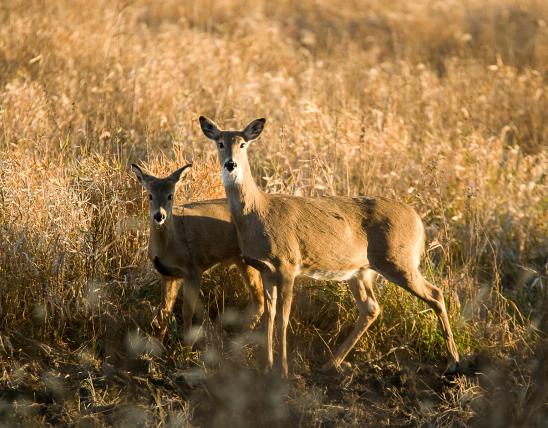
Spring and summer months increase risk due to higher fly activity and the presence of wounds associated with calving, fawning, and other animal activities. Proactive planning ensures Missouri is ready should a suspected case arise.
Blowflies and Screwworms: What’s the Difference?
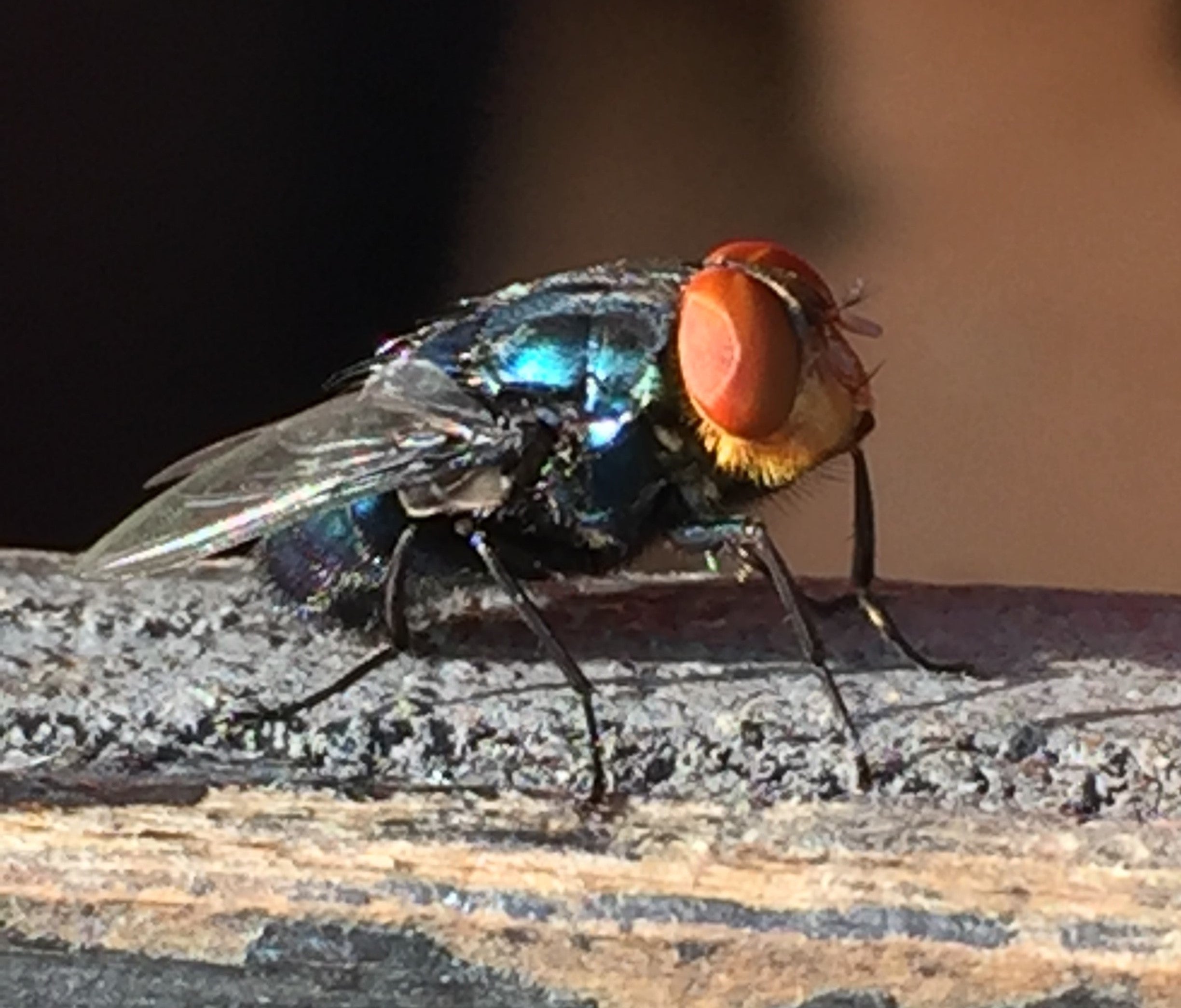
Many fly species are commonly referred to as "blowflies," but they do not all behave the same way. Understanding this difference helps explain why New World screwworm is a serious concern.
Blowflies That Feed on Dead Tissue (Most Common)
Most blowfly species lay their eggs in dead or decaying tissue, such as carcasses, rotting organic matter, or wounds that already contain necrotic (dead) tissue. Their larvae help break down tissue that is already dead and typically do not invade healthy, living flesh.
Key characteristics:
- Attracted to dead animals or decaying wounds
- Larvae feed only on dead tissue
- Often part of natural decomposition processes
- Presence does not automatically indicate a serious animal health emergency
Blowflies That Feed on Living Tissue (New World Screwworm)
New World screwworm is different. Female screwworm flies lay eggs in fresh wounds or natural body openings of live animals. After hatching, the larvae actively feed on living tissue, causing wounds to enlarge and deepen. This behavior can lead to severe injury, infection, or death if untreated.
Key characteristics:
- Attracted to fresh wounds on live animals
- Larvae feed on living tissue
- Wounds worsen rapidly instead of healing
- Requires immediate reporting and response
What to Look For
Signs That May Indicate Screwworm Infestation
- Wounds that do not heal or appear to be worsening
- Presence of maggots in wounds
- Foul odor from a wound
- Animals isolating, lethargic, or showing signs of pain
What To Do If You Suspect New World Screwworm
If you suspect a case of New World screwworm:
- Do not move the animal unless necessary for safety or animal welfare.
- Protect yourself by wearing gloves and avoiding direct contact with larvae.
- Report the situation immediately:
- Livestock or pets: Contact your veterinarian and the Missouri Department of Agriculture (573) 751-3377 Animal.Health@mda.mo.gov.
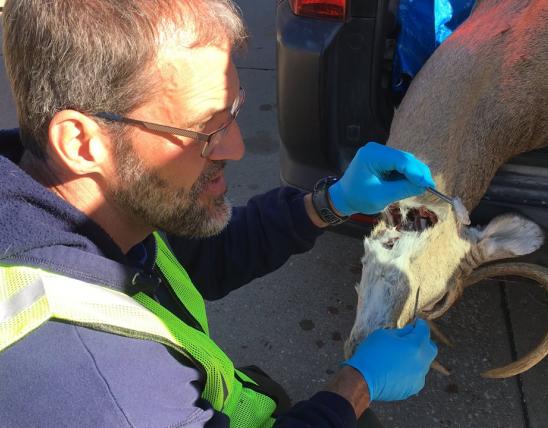
- Wildlife: Contact the Missouri Department of Conservation (573) 522-0142 or https://mdc12.mdc.mo.gov/applications/WildlifeHealthReporting/Intake
- Follow instructions provided by responding officials.
Do not collect or submit samples unless directed by state or federal animal health officials.
Missouri’s Response and Coordination
Missouri’s response to New World screwworm is coordinated across multiple agencies, including:
- Missouri Department of Agriculture (MoAg)
- Missouri Department of Conservation (MDC)
- Missouri Department of Health and Senior Services (DHSS)
- United States Department of Agriculture (USDA)