










Garlic mustard is a highly invasive nonnative plant. Each plant disperses a large number of seeds, and it outcompetes native vegetation for light, moisture, nutrients, soil, and space as it quickly colonizes an area.
Garlic mustard is a biennial plant that usually grows in colonies. All parts of the plant smell like garlic when crushed. Plants flower and fruit when 2–4 feet high. Plants usually produce 1 flowering stem but may have as many as 10 stems from a single root.
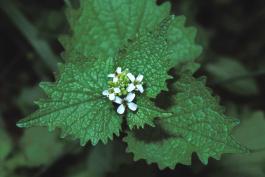
The flowers are numerous, small, white, ¼ inch across, and are borne in a terminal raceme at the apex of the stem and also at some leaf axils. Each flower has 4 white petals that narrow abruptly at the base.
Blooms May–June.
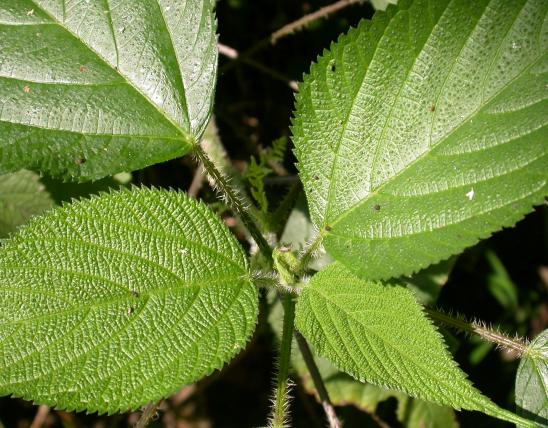
Leaves in the basal rosettes are dark green and kidney-shaped. The stem leaves are triangular, alternate, and have petioles (leaf stems); leaf blades have large teeth around the margins and are 2–3 inches wide.
The seeds are black and produced in narrow podlike capsules (siliques) ¾ to 3¼ inch long.
Height: 2 to 4 feet.

Scattered nearly throughout Missouri.
Habitat and Conservation
This species occurs most frequently in upland and floodplain forests, savannas, and along roadsides. It invades shaded areas, especially disturbed sites, and open woodland. It is capable of growing in dense shade and occasionally occurs in areas receiving full sun. It prefers soils with an abundance of calcium and does not do well in acidic substrates.
Garlic mustard is a native of Europe and Asia that was brought to the northeastern United States by immigrants, who used it as a potherb, in salads, as a flavoring, and medicinally. It escaped their gardens in the early 1800s. It has become a serious threat to native ecosystems throughout the eastern United States, but it has only been found in Missouri since the 1970s. Since its arrival in our state, it has spread rapidly.
It is now spread across most of North America.
Status
Invasive. Native to Eurasia. Edible as a potherb and salad green.
Life Cycle
Garlic mustard is a biennial herb:
- Seeds germinate in early spring, young plants overwinter as basal rosettes, and the plants mature and bloom from May to June the following year.
- Each plant dies after producing seed.
- Seeds disperse when the siliques (pods) split at maturity in August.
- Seeds have a 20-month dormancy period and do not germinate until the second spring after ripening.
- Garlic mustard reproduces readily from its numerous seeds.
Control
Human Connections
This plant has a very long history in Europe as a potherb and salad green. It can be made into a pesto sauce. The leaves taste something like a combination of garlic and mustard.
The seeds have been used for their oils. The plant has been used medicinally, too.
Unfortunately, the insects and fungi that keep this plant in check in Europe don’t live in the Americas, setting the stage for garlic mustard to grow invasively on our continent.
Considering this plant is edible as well as invasive, this is an excellent plant to collect to eat. Be sure to chop up young first-year plants to eliminate toxins in the plant.
Ecosystem Connections
Garlic mustard crowds out native plants and degrades wildlife habitat. Because it forms dense colonies early in the season, it shades out many native wildflowers.
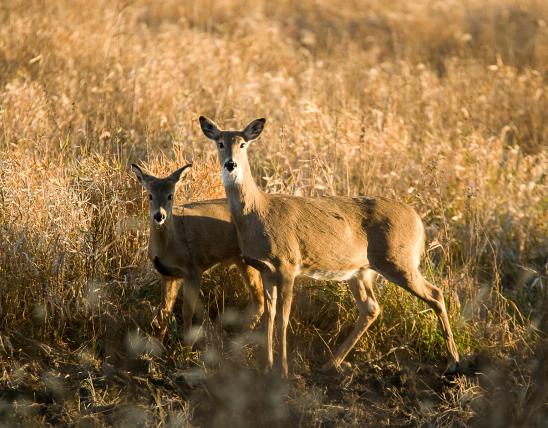
High tannin levels in this plant make it unpalatable to deer, giving it a competitive edge in areas of deer browse.
Garlic mustard also produces chemicals that inhibit other plants, allowing the invasive population to expand.