


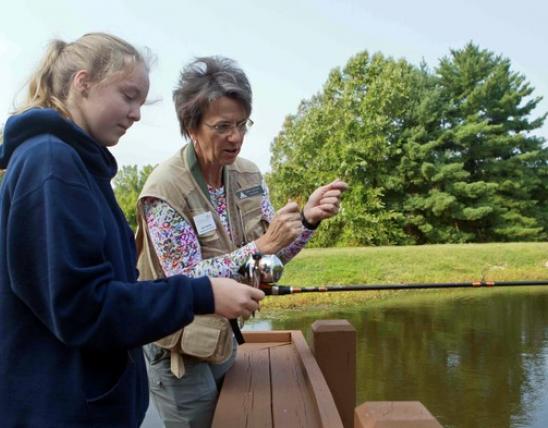
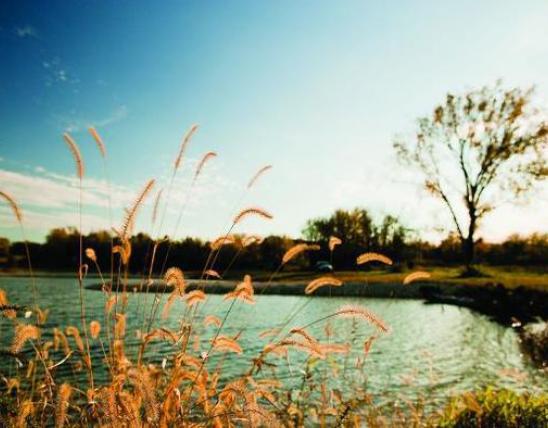
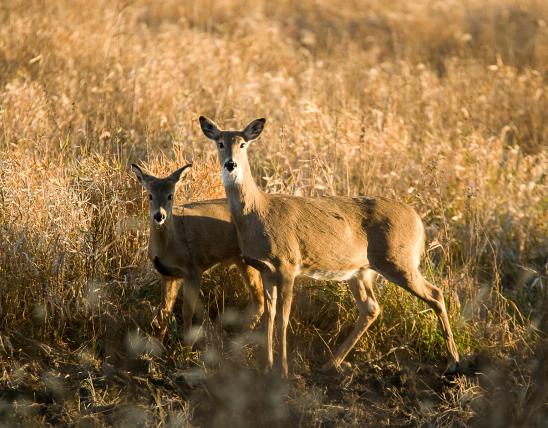





The Hi Lonesome Priority Geography encompasses over 3,700 acres of some of the most diverse native tallgrass prairies in the state. Located on the Osage Plains along the Ozark Border and Springfield Plateau of west-central Missouri, these grasslands transition into the oak-hickory woodlands of the Ozarks to the south. Hidden within these grasslands, you will find dolomite glades, prairie swales, and seasonal prairie streams, along with plants and animals unique to this ecosystem.
This landscape spans approximately 70,600 acres of public and private lands (2,400 acres managed by the MDC). Grassland management and restoration is underway on both public and private lands within the geography. MDC and partners are assisting landowners through conservation-based programs on their properties.
Contact our Sedalia Office to speak with a member of our dedicated team.
MDC staff can provide:
- Cost-share information
- Advice for sustainably growing and harvesting timber
- Guidance for timber sale administration
- Lists of contractors
- Step-by-step recommendations for improving wildlife habitat
- Advise on grassland management and native forage to improve livestock performance and drought protection
- Reconstructing native prairie and pollinator plantings
- Native prairie conservation and management
Find your Local Contacts

Title
What Conservation Practices Could Benefit Me?
MDC aims to find common sense solutions to meet the goals of local landowners while balancing the needs of nature. Our staff and partners will work with you to create a program that matches your property goals with conservation practices that fit your needs. In the Hi Lonesome Priority Geography, these practices may include:
- Conservation grazing practices
- Prescribed burns for habitat enhancement
- Native prairie restoration and reconstruction
- Savanna restoration
- Removal of invasive species such as sericea lespedeza
- Stream protection
Title
How will the Area Benefit from Conservation Efforts
- Improved grasslands and stream quality through sustainable agricultural practices
- Revitalized natural communities through prescribed fire and woody vegetation control
- Increased habitat for grassland birds, which are declining around the globe
Title
What Species Will Be Helped?
While all species will benefit — including game animals — key species and species of greatest concern in the Hi Lonesome include:
Birds: northern bobwhite quail, eastern meadowlark, upland sandpiper, Henslow’s sparrow, Bell’s vireo, Bobolink
Amphibians: northern crawfish frog, boreal chorus frog, small-mouthed salamander
Reptiles: ornate box turtle, speckled kingsnake, prairie racerunner, prairie ring-necked snake
Mammals: prairie vole, Deer mouse, coyote, American badger C
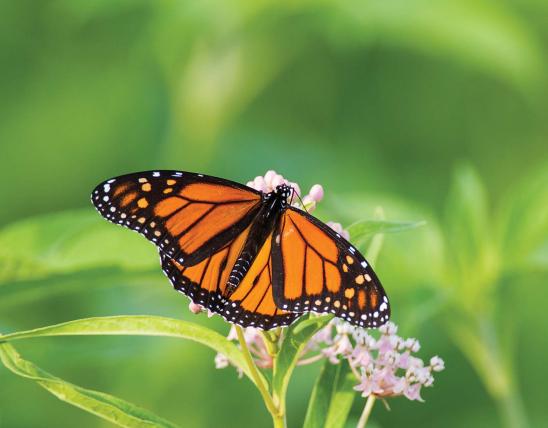
Insects: native bees including Andrena beamerii C, Regal Fritillary Butterfly C, Prairie Mole Cricket C, Rattlesnake-Master Borer Moth C, Southern Plains Bumblebee C
Mussels: yellow sandshell, fragile papershell, pink heelsplitter
Fish: Plains Topminnow C, Least Shiner C
Plants: Mead’s Milkweed*, Joint Grass, Grass Pink Orchid C, native warm-season and cool-season grasses, bird’s foot violet, asters, sedges, pale purple coneflower, prairie clover, downy gentian
C = species of conservation concern, * = state endangered, ** = federally endangered


