

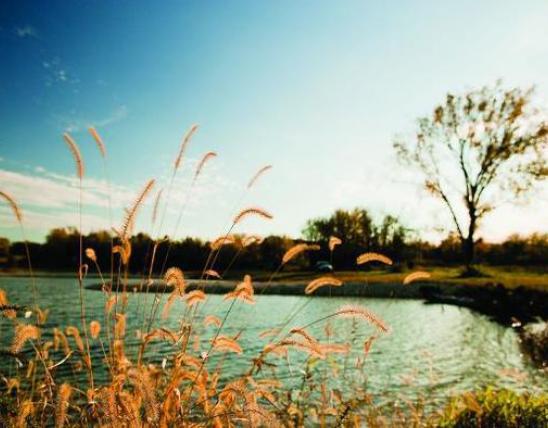





The Golden Grasslands Priority Geography of Southwest Missouri represents a vital and unique landscape for the conservation of native grassland ecosystems and the wildlife species that depend on them. Encompassing 95,162 acres, this geography lies at the ecological crossroads between the oak-hickory woodlands of the Ozark Highlands and the deep soils of the Osage Plains. Within this transition zone, the Golden Grasslands support rare remnant prairies, increasingly uncommon across Missouri due to habitat loss and fragmentation.
Only 7,412 acres of the Golden Grasslands are held by the Missouri Department of Conservation (MDC) and partners, with most of the remaining acreage in private ownership. Because most of the remnant prairies in this geography are part of working lands—used for haying or grazing—collaboration with private landowners is essential. MDC and conservation partners provide technical and financial assistance to landowners, helping implement practices that restore and enhance grassland habitats.
Restoration efforts are actively underway on public lands, including Robert E. Talbot and Sons Creek Conservation Areas. These sites serve as anchors within a broader vision: to connect scattered prairie remnants and restorations across the landscape, building a resilient conservation network of high-quality grassland habitat. As one of the last strongholds of Missouri’s native prairie, the Golden Grasslands Priority Geography plays a critical role in preserving biodiversity and supporting the long-term health of the state’s natural heritage.
Contact our Springfield Office to speak with a member of our dedicated team.
MDC staff can provide:
- Cost-share information
- Advice for sustainably growing and harvesting timber
- Guidance for timber sale administration
- Lists of contractors
- Step-by-step recommendations for improving wildlife habitat
- Advise on grassland management and native forage to improve livestock performance and drought protection
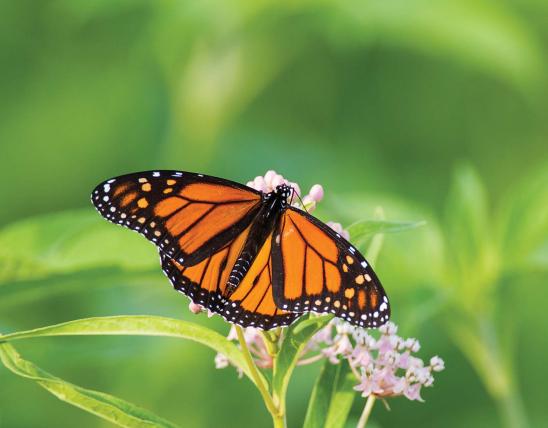
- Reconstructing native prairie and pollinator plantings
- Native prairie conservation and management
Find your Local Contacts


