










Fort Crowder Conservation Area, located in southern Newton County, was once part of the old, World War II Camp Crowder Army Base. The U.S.
Media

Scientific Name
Scolopax minor
Family
Scolopacidae (sandpipers) in the order Charadriiformes
Description
The American woodcock is a short-necked, short-legged, terrestrial shorebird with a long bill. The eyes are set back on its head. When this bird is flushed, its short wings make a startling whirring sound. In spring, males perform dazzling courtship flights.
American woodcocks have an extremely long bill; round, plump body; short tail and legs; and large black eye located high on the head. The back is dark, mottled with cinnamon and gray, and the underparts are buffy.
Woodcocks are most commonly seen at dusk in spring when the male performs a high, upward-spiraling, twittering flight, to 200 or 300 feet, culminating in a precipitous long fall while his feathers make a gurgling sound and he chirps. Back on the ground, the male repeats his raspy loud “peent” call several seconds apart. Then he flies upward for another sky-dance display.
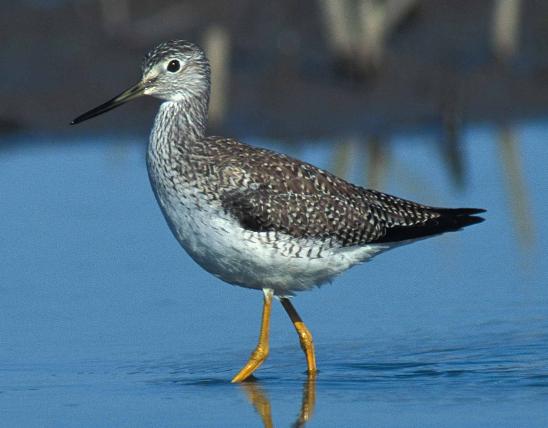
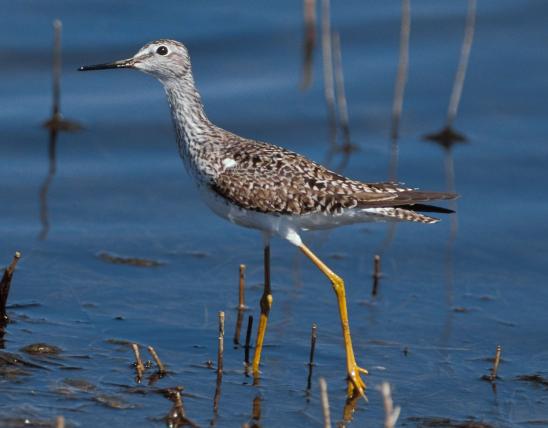
Similar species: Though woodcocks look like, and technically are sandpipers (such as Wilson's snipe), they are unlikely to be confused with those close relatives because of their squatty look and woodland-openings habitat.
Acoustically, woodcocks might be confused with common nighthawks, which also produce a raspy call, similar to a "peent."
Other Common Names
Timberdoodle
Size
Length: 11 inches (tip of bill to tip of tail).
Where To Find

Statewide as a migrant; resident in summer probably only in forested regions of the Bootheel lowlands. Nests in appropriate habitat statewide in low density.
Habitat and Conservation
Although they are shorebirds by lineage, American woodcocks live in open woodlands, young woodlands near water, moist pastures and fields, and forested floodplains.
They are crepuscular (most active at dawn and dusk).
In summer they are probably most common as residents in the eastern part of the state.
This species might be decreasing on the continent as their preferred habitat grows into mature forest.
Food
American woodcocks forage mainly for earthworms but also eat other soil-dwelling invertebrates in young woodlands near water, in moist pastures and forested floodplains. Cutworms, army worms, and crane fly larvae are among the invertebrates that live in the soils that woodcocks probe.
The tip of the long bill is flexible, and the bird uses it to probe soft ground for its prey.
Status
Common migrant; uncommon summer resident (mainly in Bootheel).
Life Cycle
Life Cycle
American woodcocks migrate north in the spring and south in the fall. They are present in Missouri from February through November. Their numbers peak in March and again in late September through mid-October.
Once they have arrived at their breeding range, the males engage in elaborate courtship rituals, sometimes continuing the behavior for months.
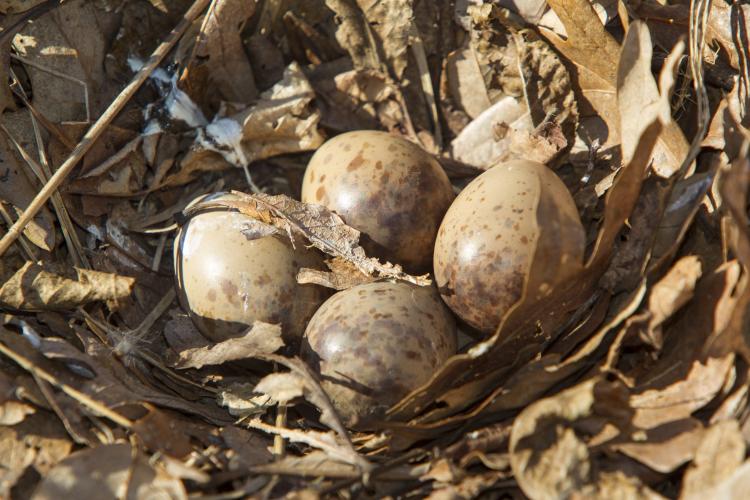
Nests are shallow depressions on the ground in open woods. There are 1–12 eggs per clutch, tended only by the mother. The young are downy and able to run around soon after hatching but require feeding by the mother for the first week.
Woodcocks can live to be more than 11 years old.
Human Connections
Sometimes nature shows us something truly remarkable, and the male woodcock's display is one of those things. His upward, twittery spirals, so high you may lose sight of the bird, are amazing enough, but his abrupt chirping plummet is also breathtaking.
The “timberdoodle” is a game bird. See the current Wildlife Code of Missouri for regulations for this species.
If you are interested in witnessing the male American woodcock's courtship display, seek out the right kind of place at the right time. Each spring, from first thaw in February through April, woodcocks gather in moist fields, marshes, shrub swamps, and other open areas with moist ground. They conduct their ritualized courtship displays during the twilight hours (especially at dusk). Listen for the male's raspy beeping calls ("peents"), and then listen for his twittering ascending flights and chirping descents.
The females stand on the ground nearby, observing the male's performance and presumably selecting a mate. The males repeat this courtship display, often returning to the same spot on the ground. By slowly approaching the "peenting" spot on the ground when the male is in the air, you may get close enough to see the actual ground display from just a few feet.
Before common names of birds were standardized, there were many colloquial names for this bird, some quite amusing: big-headed snipe, big mud snipe, blind snipe, whistling snipe, night partridge, night peck, timberdoodle, hookumpake, Labrador twister, bog sucker, bog bird, whistler, and big-eyes.
The Missouri conservationist and nature writer Leonard Hall described the woodcock as "a small butterball of a bird."
Ecosystem Connections
American woodcocks eat earthworms and numerous other ground-dwelling invertebrates, controlling their numbers.
Some scientists hypothesize that a northward expansion of woodcock territory might be related to the introduction of nonnative earthworms into Canada.
As ground-nesters, woodcocks and particularly their nests and young provide food for numerous predator species.
Title
Media Gallery
Image

Credit
Anonymous
Right to Use
Photo by MDC Staff, courtesy Missouri Department of Conservation
Audio file
Right to Use
Image
Caption
American woodcock eggs
Credit
Noppadol Paothong
Right to Use
Photo by Noppadol Paothong , courtesy Missouri Department of Conservation
Image

Credit
MDC
Right to Use
Photo by MDC, courtesy Missouri Department of Conservation
Image

Credit
Brad Jacobs
Right to Use
Photo by Brad Jacobs, courtesy Missouri Department of Conservation
Image

Credit
Jim Rathert
Right to Use
Photo by Jim Rathert, courtesy Missouri Department of Conservation
Image

Credit
S & D & K Maslowski/FLPA/Minden Pictures
Right to Use
Photo by S & D & K Maslowski/FLPA/Minden Pictures, courtesy Missouri Department of Conservation
Image

Credit
Jim Rathert
Right to Use
Photo by Jim Rathert, courtesy Missouri Department of Conservation
Image

Thumbnail

Image

Image

Image

Image

Image

Image

Title
Similar Species
Similar Species
Media

Media

Media
Media
Media

Media

Media
Media
Media

Media

Media

Media
Where to See Species
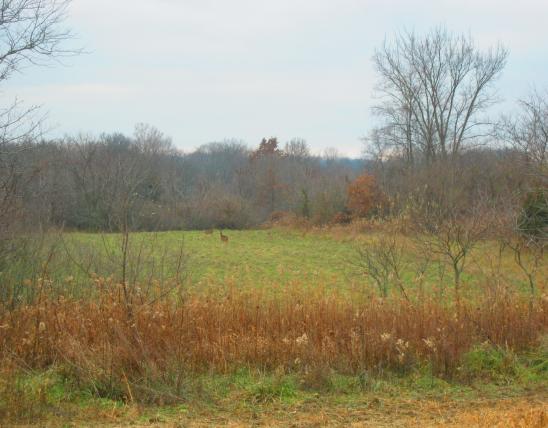
Hikers and mountain bikers should delight in what Weldon Spring Conservation area has to offer.
The area was acquired in 1983 through a donation of 20 acres by Mr. and Mrs. Roy Smith as a memorial for Nannie B. Floyd.
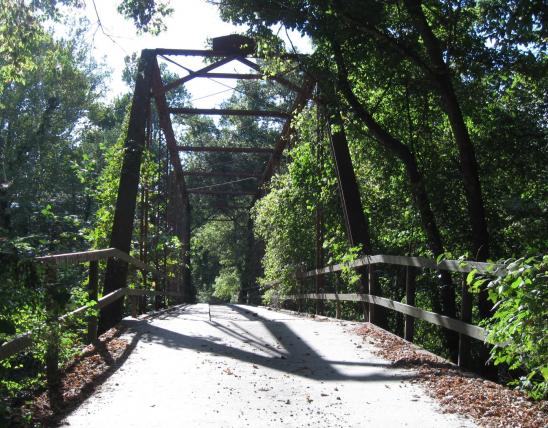
About 90 percent of the area is composed of old fields converted into a mixed hardwood plantation.
Frisbee cutoff was purchased to provide access to the original St. Francis River. After the St.
About Birds in Missouri
About 350 species of birds are likely to be seen in Missouri, though nearly 400 have been recorded within our borders. Most people know a bird when they see one — it has feathers, wings, and a bill. Birds are warm-blooded, and most species can fly. Many migrate hundreds or thousands of miles. Birds lay hard-shelled eggs (often in a nest), and the parents care for the young. Many communicate with songs and calls.