










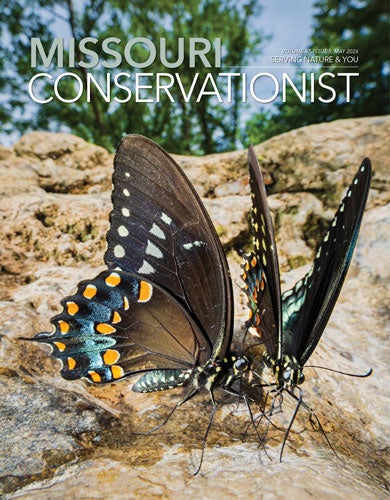

One summer afternoon in 2013, I noticed something unusual in my neighbor’s garden. Several tiny black-and-yellow caterpillars were feeding on her dill plants, chewing steadily through the leaves. Within a few days, the plants were nearly stripped bare, their feathery leaves reduced to thin stems. Then, about a week later, the caterpillars began disappearing one by one, each crawling away to find a safe place to form a chrysalis. A short time later, those hungry caterpillars emerged as beautiful black swallowtail butterflies.
That simple observation opened the door to a fascinating world. I soon learned that swallowtails are closely tied to specific host plants, and their caterpillars are masters of disguise, sometimes using deception to fool predators. When they are young, many resemble bird droppings, a clever strategy that helps them avoid hungry predators. Without paying close attention, you might walk right past one, never realizing that what looks like a splatter on a leaf is actually a caterpillar quietly feeding.
Some species take this disguise even further. Spicebush swallowtail caterpillars mimic small snakes, with large false eye spots near the head that make them appear threatening when disturbed.
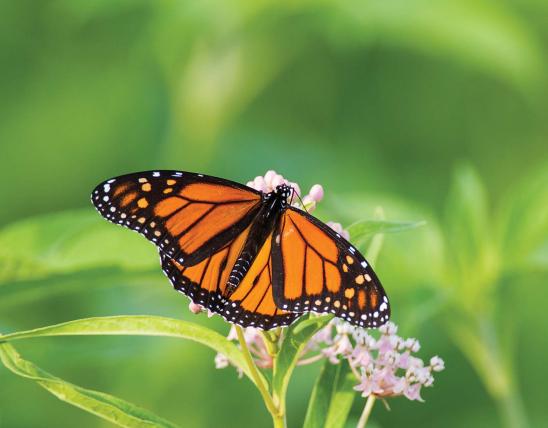
Swallowtails are also among the largest butterflies in North America, with wingspans ranging from 3 to 6 inches. Missouri is home to six species: eastern black swallowtail, giant swallowtail, pipevine swallowtail, spicebush swallowtail, easterntiger swallowtail, and zebra swallowtail. All belong to the butterfly family Papilionidae, known for their large size, bold colors, and distinctive “tails” on their hindwings. These tails resemble the forked tail of a swallow and may help confuse predators, causing birds to strike the wing tips instead of the butterfly’s body.
During the summer months, swallowtails are easy to spot across Missouri’s landscapes. You might see them drifting through open fields and gardens, visiting native wildflowers for nectar, or gathering along muddy trails and stream banks. At these damp spots, butterflies often engage in a behavior known as puddling. By sipping moisture from wet soil, they collect minerals, especially sodium, that help support reproduction. Most swallowtail caterpillars, except for the pipevine swallowtail, also have a fascinating defense mechanism called an osmeterium. When disturbed, they extend a small, forked orange gland from just behind their head that releases a strong odor to deter predators, such as birds and ants. Pipevine swallowtail caterpillars rely on a different defense. Because they feed on pipevine plants that contain toxic compounds, the caterpillars themselves become distasteful to predators and do not need this defensive gland.
Another remarkable feature of swallowtails is their close relationship with specific host plants. Female butterflies carefully select where to lay their eggs by sensing plant chemistry with receptors in their feet. The chosen plants provide food for the developing caterpillars. As winter approaches, the caterpillars form a chrysalis and remain in that stage through the cold months before emerging as adult butterflies the following spring.
Many caterpillars can feed only on certain plants because they have evolved to handle the unique chemical defenses those plants produce. Over time, butterflies and their host plants have developed a close relationship that helps ensure the caterpillars have the right food to survive.
For example, eastern black swallowtails use plants in the carrot family, such as parsley, dill, fennel, and Queen Anne’s lace. Giant swallowtails rely on plants in the citrus family, including prickly ash and hop tree. Pipevine swallowtails depend on pipevine plants, whose toxic compounds protect both caterpillars and adults from predators. Spicebush swallowtails feed on spicebush and sassafras, while eastern tiger swallowtails use a variety of trees including tulip trees, wild cherry, ash, and magnolia. Zebra swallowtails are highly specialized and rely almost exclusively on pawpaw trees.
Planting a wide variety of nectar-rich flowers, such as milkweed, purple coneflower, blazing star, beebalm, ironweed, and asters, can provide essential food for adult swallowtails throughout the growing season. Even a small garden planted with native flowers can become an island of habitat that supports not only swallowtails but many other pollinators as well.
These close relationships between butterflies and native plants highlight an important conservation message — native habitats support entire life cycles. When we plant native species in our landscapes, we are not just creating beauty, we are helping wildlife thrive.
On warm summer days in Missouri, swallowtails are a familiar and welcome sight, gliding along woodland edges, drifting across prairies, and visiting native flowers in backyard gardens. Their beauty, fascinating life cycle, and close relationship with native plants make them some of the most recognizable butterflies in our state. Sometimes their story begins with something as simple as a few hungry caterpillars quietly feeding in a garden.


Also In This Issue

The inner bark of hickory trees yields strength and beauty that surpass generations

Patience and planning will lead to property that can be enjoyed for generations
And More...
This Issue's Staff
Editor – Angie Daly Morfeld
Associate Editor – Larry Archer
Photography Editor – Ben Nickelson
Staff Writer – Kristie Hilgedick
Staff Writer – Joe Jerek
Staff Writer – Dianne Van Dien
Designer – Marci Porter
Designer – Kate Morrow
Photographer – Noppadol Paothong
Photographer – David Stonner
Circulation – Marcia Hale