






Missing Spring? Go to a Spring!
If you miss seeing lush greenery during the winter, visit one of Missouri’s many beautiful springs. When spring water reaches the surface, it’s well above freezing, about 55 degrees. Aquatic plants can stay green in these areas even in freezing, snowy weather. Watercress, for example, thrives in bushy green colonies around the crystal blue water of springs.
Catch a Winter Rainbow
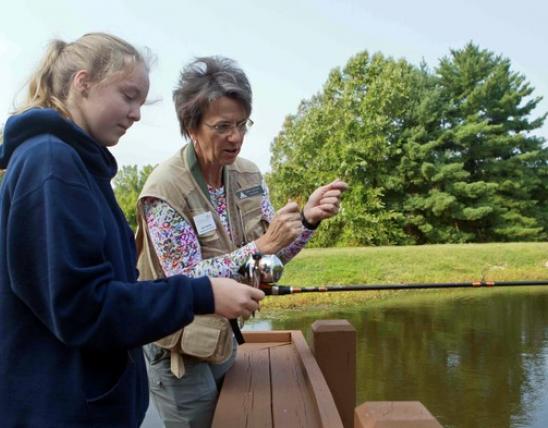
Missouri’s wild populations of rainbow trout spawn in Ozark streams from late December through the first week of February. Reproducing rainbow trout populations exist in at least 14 Ozark springs and streams. The rest of the state’s trout population is maintained by captive rearing and continuous stocking. Only catch-and-release trout fishing is available through Feb. 9. For more information, check out A Summary of Missouri’s Fishing Regulations.
Wardrobe Change
Eastern gray squirrels take on a bit of a different look in winter. Their fur becomes longer and more silvery gray and their ears have a noticeable fringe of white fur.
Creeping for Food
If we have a cold snap, keep an eye out for brown creepers. These fascinating birds start at the base of a medium or large, rough-barked tree, then spiral upward around the trunk searching in the crannies of the bark for hidden insects. A creeper may explore some of the upper branches, especially in early-morning sunshine. Finished with one tree, it will flutter rapidly to the base of a nearby tree and repeat the process. Once you locate a brown creeper, you can watch it move from tree to tree.
Call Before You Cut
Learn if harvesting is right for your woods.
5 reasons to call before you cut
- Improve wildlife habitat
- Protect water quality
- Enhance air quality
- Harvest the proper trees to keep the forest healthy
- Ensure your overall satisfaction with the timber harvest
Request a free informational packet about working with a professional forester to take care of your woods.
callb4ucut.com
877–564–7483
Natural Events to See This Month
Here’s what’s going on in the natural world.
- Horned larks are one of our earliest nesting birds.
- Female black bears give birth in winter dens.
- Ohio horsemint’s basal leaves remain green all winter.
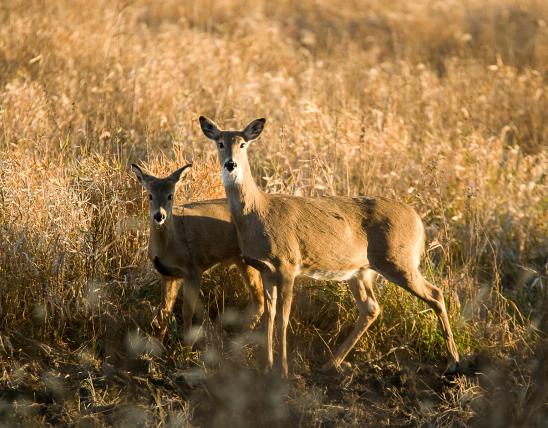
- Sumac berries are eaten by deer.
Ozark witch-hazel is Missouri’s first native plant to bloom.
Ways to connect with nature
Also In This Issue

Cold-weather treks have much to offer the prepared hiker

SERVING NATURE AND YOU
Fiscal Year July 1, 2024–June 30, 2025
And More...
This Issue's Staff
Editor – Angie Daly Morfeld
Associate Editor – Larry Archer
Photography Editor – Ben Nickelson
Staff Writer – Kristie Hilgedick
Staff Writer – Joe Jerek
Staff Writer – Dianne Van Dien
Designer – Marci Porter
Designer – Kate Morrow
Photographer – Noppadol Paothong
Photographer – David Stonner
Circulation – Marcia Hale