







Under the Spotlight with a Black-Capped Chickadee
Hello, Darrrling. Come in. I’m so glad you could join us for a little chat about my favorite subject: Me. As beloved star of stage and screen, winner of four Academy Awards, and a bird who’s lived, shall we say, quite a remarkable life, we have a lot to talk about.
A Star is Hatched
Other birds may be more colorful. Some sing sweeter songs. But, my dear, none steal the scene like a chickadee. We’re energetic. Dashing. Bold! Two kinds of chickadees grace Missouri’s forests, backyards, and bird feeders. Black-capped, like moi, work in the north half of the state. Carolina chickadees work in the south. The Actor’s Union won’t permit us to share the stage except in a narrow strip along the Missouri River.
Birdie and the Tramp
Like many actors, I fell in love with my leading lady. Though I command attention on-screen, when it comes to raising a family, female chickadees are the ones who give the commands. They choose the knothole to nest in. They line it with moss and fur. They incubate the eggs. I play a supporting role and deliver food to the scene-stealing diva.
The Hills are Alive
Forget “Do-Re-Mi,” darling. Chickadees have more range than that! In fact, we belt out at least 16 different calls and songs. Maybe you’ve heard fee-bee, a catchy little number I sing in the spring to claim a patch of woods? Or perhaps the high zeeee I scream to warn other birds of approaching predators? It’s quite dramatic! I bet you recognize chicka-dee-dee-dee. I sing it often to gather my entourage.
Jurassic Lark
The caterpillars in this scene aren’t acting. They’re truly terrified I’m going to eat them. Birds, you may have heard, are living dinosaurs. And chickadees — especially when we’re trying to feed a nest full of hungry babies — can be ravenous. In the summer, insects make up 90 percent of our diet. In winter, we add seeds to the menu.
Flown Alone
My big break came as a child actor. Chickadees fledge — that is, leave the nest — when they’re about 16 days old. They’re fed by their parents for another three or four weeks. Then one day, the parents vanish, and the young find themselves alone in a wild and dangerous world.
We’re Gonna Need a Bigger Branch ...
Sometimes it seems as if danger lurks around every corner. Cats. Hawks. Paparazzi gawking at you through binoculars. (They’re just dreadful, darling.) People often ask where I learned to act. Daily life, I say! For a tiny bird, every day feels like you’re the victim in an action-packed blockbuster. Raccoons, squirrels, and snakes relish the chance to make an omelet out of chickadee eggs. And adult chickadees are preyed upon by cats, sharp-shinned hawks, and screech-owls.
Raiders of the Lost Seed
In this scene, I played Chickadee Jones, a clever, adventure-loving archeologist who searches for lost treasures. The critics gushed about how lifelike I made the hero seem. The secret, my dear, is that I based him off of real life. You see, in the fall, chickadees gather thousands of seeds and stash them away for winter snacking. To help remember where we hid them, we make mental treasure maps. In fact, our brains actually grow bigger to help hold the extra information!
Patton
My portrayal of the tough and gruff World War II general, George S. Patton, earned me an academy award. Just like in the Army, chickadees have a rank, except we call it a pecking order. In most cases, older birds outrank younger birds. The pecking order is important — even for famous actors! Higher-ranked birds enjoy more food, defend larger territories, lay more eggs, and have better survival odds than lower-ranked birds. And if you want an A-list girlfriend, you better be at the top of the pecking order! It’s just how Hollywood works, darling.
Canary Potter and the Sorcerer’s Seed
I can’t go anywhere in public these days without an entourage — my flock, if you will. Sometimes it seems as though I’m back shooting scenes at Hawkwarts, zipping around the Quidditch pitch, trying to catch the Golden Seed for my teammates. In winter, chickadees team up with titmice, nuthatches, woodpeckers, and kinglets to scour backyards and forests for food. Being together also makes it easier to spot danger. As lead actors, chickadees are the “glue” that holds the flock together, and other birds take their cues from us. We decide when the flock moves and where it goes.
And The Osprey Goes To ...
When you’ve reached the level of stardom that I have, sometimes you yearn to return to your roots. That’s why I’ve signed up to star in a number of off-Broadway productions. To catch me in the act, all you must do is fill a bird feeder with sunflower seeds or hang up a brick of suet. In no time, I’ll take the stage — along with my entourage. I promise you’ll enjoy the show.


Also In This Issue

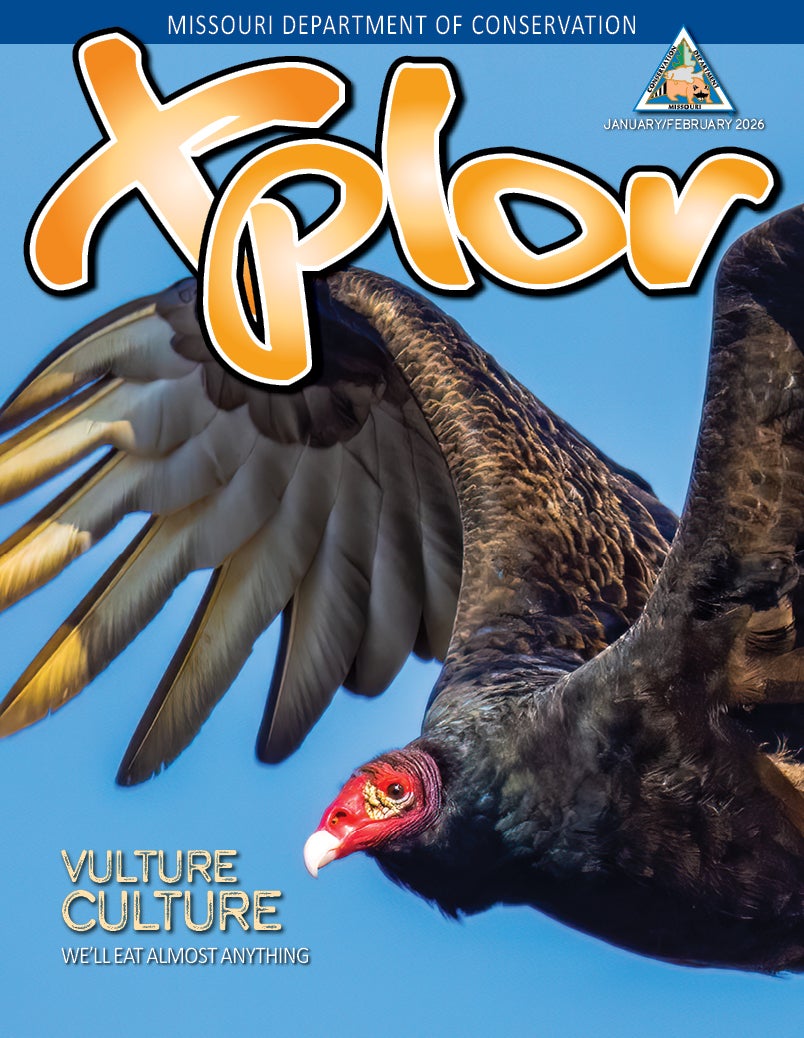
Take a peek into the foul but fascinating lives of nature’s feathered cleanup crew.
And More...
This Issue's Staff
Photographer – Noppadol Paothong
Photographer – David Stonner
Designer – Marci Porter
Art Director – Ben Nickelson
Editor – Matt Seek
Subscriptions – Marcia Hale
Magazine Manager – Stephanie Thurber