







The word “habitat” often conjures images of thick forests with tall, mighty trees or lush prairies dotted with colorful wildflowers. There are those, however, who don’t view these mature landscapes as a final product of habitat. To many seed savers across the state, a Missouri landscape full of mature, thriving plants is only the beginning of a much bigger goal.
Seed collecting is an activity that is growing in popularity each year in Missouri. From the novice outdoor explorer to the seasoned naturalist with a deep-rooted appreciation for our local flora, many Missourians have taken to the outdoors to collect the seeds from a wide range of native plants.
Seed Sellers
For Mike Fiaoni, forest nursery supervisor at the George O. White State Forest Nursery, a native tree seed is the very foundation of his job.
“The heart of the nursery is the seed,” said Fiaoni. “Without the seed, we don’t have a nursery because we can’t grow seedlings.”
The nursery provides native trees and shrubs to thousands of Missourians each year, but the nursery would have no plants to provide were it not for seed-collecting Missourians across the state. Depending on the needs of the nursery, different species of native tree and shrub seeds are collected by the public and sold to MDC via seed buying stations found in each region of the state. The seeds are then cleaned and stored by nursery staff, typically maintaining a five- to seven-year supply.
Collecting seeds to continue Missouri’s vast varieties of beneficial trees and shrubs is, of course, a desirable goal, but many folks may not consider that seed collecting can also put some more change in your pocket.
Missouri’s seed buying stations see people from all walks of life. Fiaoni shared that people sell seeds for all kinds of purposes, from a young boy saving up to buy his first puppy to a youth group raising funds for a mission trip.
Tree seed collecting and selling is a relatively long-standing tradition for some collectors, but it is also an activity that grows in popularity each year, with many more seed buying stations being added around the state in recent years.
“I believe these seed buying stations are very important for MDC,” said MDC Forester Yvette Amerman, who has a heavy hand in the operation of seed buying stations in northeast Missouri. “George O. White State Forest Nursery is a wonderful resource for the citizens of Missouri. The citizens of Missouri who bring us seed are personally involved in growing trees for the future. The nursery pays for Missouri seed that is then planted in a Missouri nursery and eventually sold back to Missouri citizens.”
Fiaoni recommends calling your local MDC regional office (find the phone numbers listed on Page 3) ahead of time to see when and if they are accepting your specific variety of seeds before loading up your seeds and heading to the buying station. He also suggests making sure fruit is ripe before collecting, and storing seeds in a dark, climate-controlled environment.
Habitat Heroes
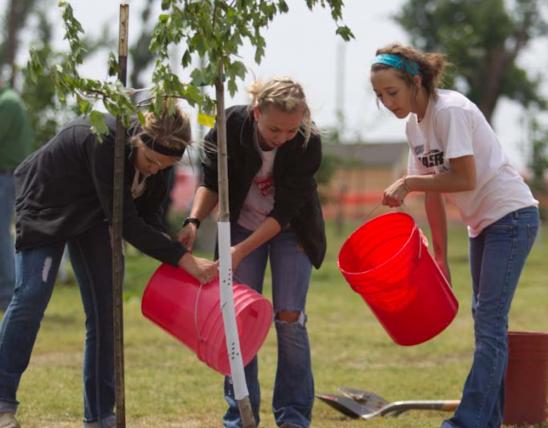
While collecting tree seeds can be a great way to raise some extra funds, some seed savers collect for the sake of habitat. Creating more of it, that is.
Members of the Chert Glades Missouri Master Naturalist chapter in Joplin have been hard at work these past few years collecting, cleaning, and packaging more than 9,500 packets of native seeds.
“I would say that this project is a part of the chapter’s overall goal of directly influencing the community to help our local ecosystems,” said Chapter President Emily Bowyer, who also serves as chair of the chapter’s Native Seed and Plant Committee. “We provide a great deal of education and resources for people who want to get into native plant gardening.”
Born out of a desire to provide more native planting opportunities to the greater Joplin area, the Chert Glades Master Naturalists’ seed project has been highly successful in its efforts. Regularly attending local events to hand out these free seed packets to the public, these habitat heroes have potentially introduced tens of thousands of new native plants to the Joplin area landscape. No small feat for a small group of dedicated naturalists, and no small impact for the countless pollinators and other local wildlife that certainly benefit from the valuable plants.
“We collect native seeds that are straight species (no cultivars), and preferably ones that are regionally native. It’s mostly forbs (flowering plants), some grasses, and a handful of shrubs,” said Bowyer.
The appeal of collecting from these plants that are native to the state, meaning they occur here naturally, is that they have adapted perfectly over time to Missouri’s constantly changing weather conditions. This makes these plants low maintenance once established. Additionally, animals native to this region have also adapted to using these plants as reliable food and habitat sources. Compared to cultivated plants that are purchased at the store, a native species provides many more benefits for wildlife and gardeners alike.
Aside from the countless benefits for local wildlife, providing beautiful native plants for local landscapes has another benefit — it makes people really happy.
“People can be really lovely with their reaction — they get so excited and grateful, which feels really good,” Bowyer said. “Just seeing the number of people who have either already started a native garden or who are about to begin is quite exciting, and it’s nice to be able to help in some small way.”
Collectors Beware
Collecting seeds from Missouri’s trees, flowers, and shrubs has proven to be a rewarding activity for many individuals across the state. Making some extra cash and furthering the benefits of having these native species in our landscapes are fantastic outcomes of seed collection. That said, there are still several things these collectors must keep in mind while gathering their seedy harvests.
There are both ethical and unethical ways to collect seeds. It’s the responsibility of the collector to make sure they abide by the proper regulations and methods to ensure the continuation of these plants for many years to come.
“It’s important to only collect from areas that allow it, such as private property with permission of the landowner,” said MDC Ozark Region Natural History Biologist Susan Farrington. “MDC does not allow seed collection (on MDC-owned property) without special permission, and other public land entities are likely to have the same policy, so it’s important to know what is or is not allowed.
“Plants need their seeds to reproduce and to feed wildlife, such as goldfinches that collect seeds to feed their babies,” Farrington said. “So, if you are collecting, be sure to leave most of the seeds behind for those uses.”
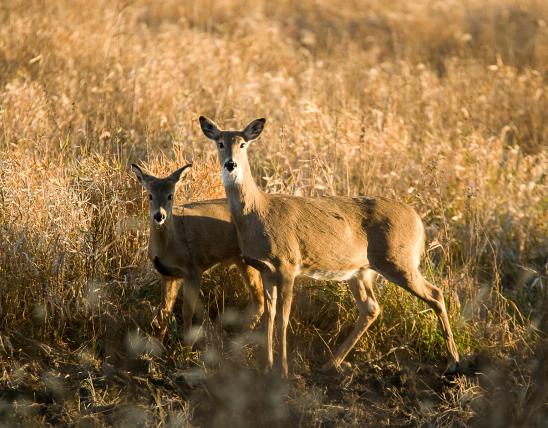
A single seed plays many more roles in our ecosystems than just growing a new plant. While creating new plants is obviously a crucial function of seeds, they also provide a necessary food source for lots of wildlife, including many species of birds, small mammals like squirrels and chipmunks, and even our largest mammals like white-tailed deer and black bears. Seeds are a foundational element for much more than just our plants, so leaving plenty of this resource for wildlife is of utmost importance when it comes to seed collection.
“Never take seeds from rare plants,” Farrington said. “If you only see one plant, please don’t take its seeds. I would say there should be at least 10 plants present with seeds, and you should only take seeds from one of those 10. It may seem harmless to take seeds from one individual plant, but if there are lots of folks doing it, then there won’t be seed left for the wildlife to consume or the plants to reproduce.”
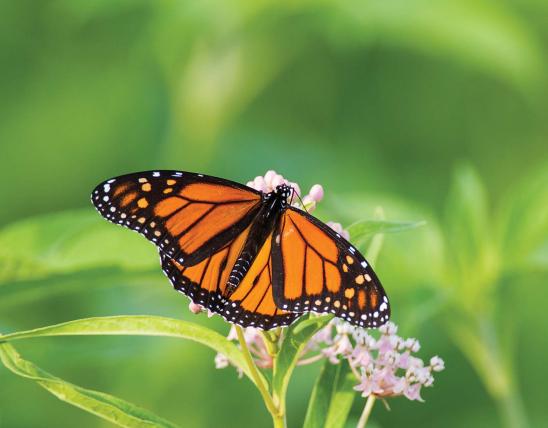
To Missouri’s dedicated seed savers, a mature plant or tree is only the beginning of a much larger story. From a great, white sycamore tree standing tall over a crystal-clear waterway to a bright, lush stalk of milkweed providing sanctuary to a migrating monarch butterfly, these plants offer much more than meets the eye. Every seed harvest is the start of a new chapter — one that will span many different seasons and generations. As these collectors continue their treasured hobby, they are not only preserving a piece of nature, they are nurturing the future of Missouri’s prized landscapes, one seed at a time.


Also In This Issue

With longer days, nature reaches its crescendo

A premier outdoor experience
And More...
This Issue's Staff
Editor – Angie Daly Morfeld
Associate Editor – Larry Archer
Photography Editor – Ben Nickelson
Staff Writer – Kristie Hilgedick
Staff Writer – Joe Jerek
Staff Writer – Dianne Van Dien
Designer – Marci Porter
Designer – Kate Morrow
Photographer – Noppadol Paothong
Photographer – David Stonner
Circulation – Marcia Hale