







Ways to connect with nature
Autumn Has Two Faces
Autumn is often called Janus-faced. Like the two-faced Roman god Janus, autumn has two contrasting sides to it. The season begins with red autumn, with its brilliant red and orange leaves. By mid- to late-November, red autumn is replaced by gray autumn, or a preview of winter. Most leaves have fallen, and the wooded landscape is awash in gray, rusty, and tan tones. The dividing line between the two autumns is a hard freeze, often accompanied by strong winds and heavy rains.
Give Your Rake a Break
The next time you look out your window and think, I should rake those leaves. Think again. Fallen leaves serve two important purposes. First, they provide refuge and food for backyard wildlife, including insects and other pollinators. Those insects are an important food source for nesting songbirds once spring rolls around. Second, fallen leaves create a mulch layer that helps rain and snow melt into the ground. Nutrients from the decaying leaves are also absorbed into the soil. So, sit back, relax, and let those leaves fall where they may.
Battle Bush Honeysuckle
Once fall color is gone, you may see some green remaining in the forest understory. That’s invasive bush honeysuckle, which will remain green well into December. Because bush honeysuckle stays green after most plants have gone dormant, and in spring, greens before other species leaf out, it is easy to spot. It grows so aggressively it outcompetes native wildflowers and other plants and prevents forest regeneration. For more information on how to help control this problematic shrub, visit short.mdc.mo.gov/ZCi.
Hunting Season
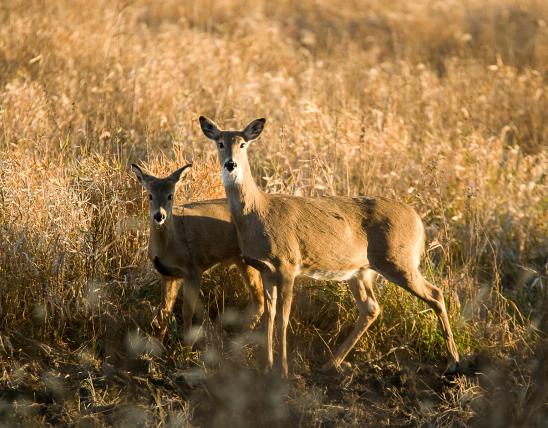
November in Missouri is known as prime hunting season when it comes to turkey and deer. But you can also hunt for mushrooms! Hen of the woods grows through November. This edible mushroom is found at the base of oak trees and often produces in the same spot year after year. Chicken of the woods also grows through November in overlapping clusters on dead or dying deciduous trees, stumps, buried roots, or living trees. These choice edibles are orange to yellow, fleshy, fan-shaped structures. Mushrooms with your turkey or deer? Sounds delicious.
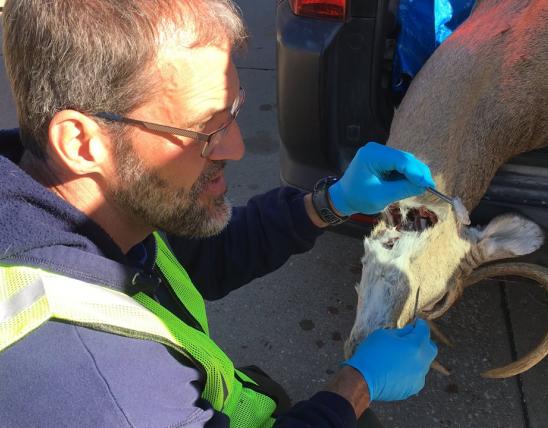
Hunters, Help Us!
November 15–16
Mandatory sampling of deer opening firearms weekend in select
CWD management zone counties
Get information on chronic wasting disease and find sampling locations at
mdc.mo.gov/cwd
Natural Events to See This Month
Here’s what’s going on in the natural world.
- Eagles forage near lakes, rivers, and marshes.
- Eastern witch-hazel blooms.
- Long-tailed salamanders breed.
- Eastern gray squirrels’ fur becomes longer and silvery.
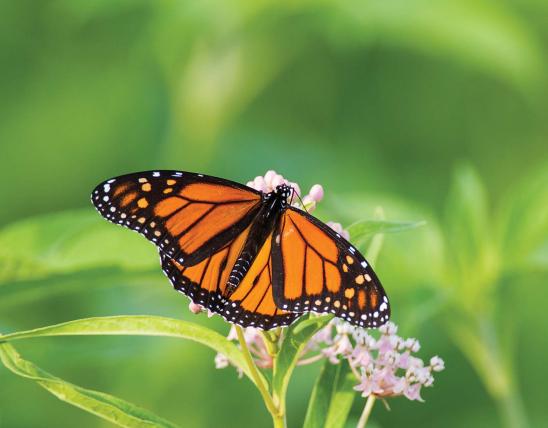
- Eastern comma butterflies fly on warm days.
And More...
This Issue's Staff
Editor – Angie Daly Morfeld
Associate Editor – Larry Archer
Photography Editor – Ben Nickelson
Staff Writer – Kristie Hilgedick
Staff Writer – Joe Jerek
Staff Writer – Dianne Van Dien
Designer – Marci Porter
Designer – Kate Morrow
Photographer – Noppadol Paothong
Photographer – David Stonner
Circulation – Marcia Hale