









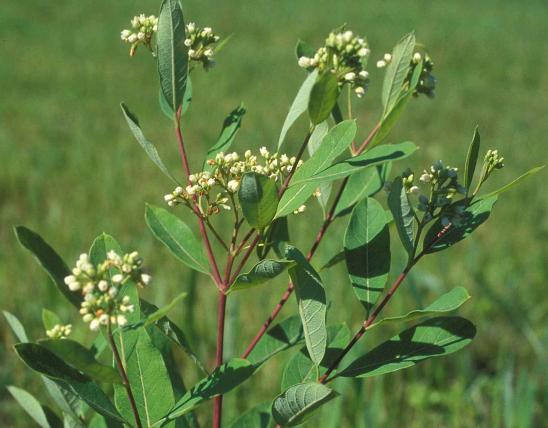
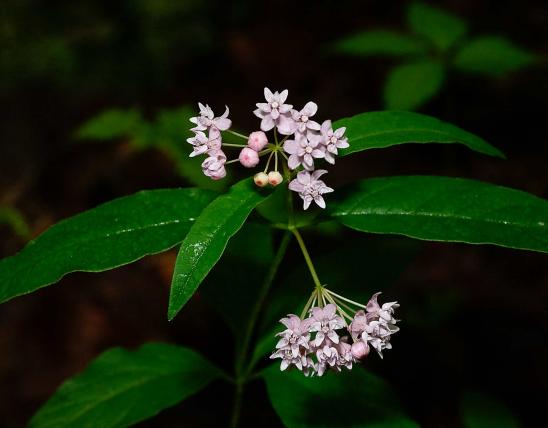


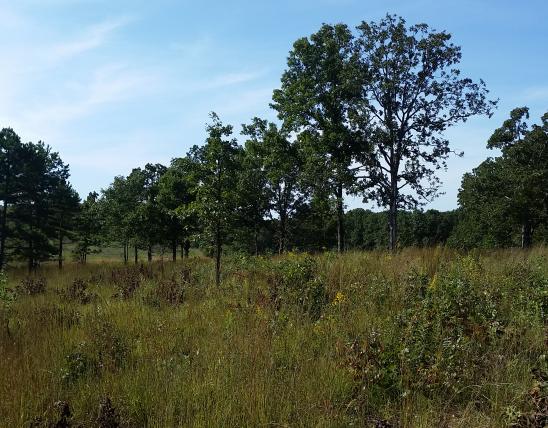
Scrivner Road Conservation Area is in Cole County about three miles south of Russellville. Parts of this 919-acre site were donated by Mrs. Alvon Winegar in 1984.
Media

Scientific Name
Asclepias tuberosa
Family
Apocynaceae (dogbanes); formerly Asclepiadaceae (milkweeds)
Description
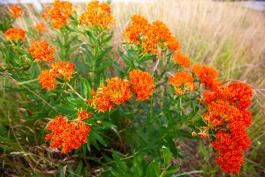
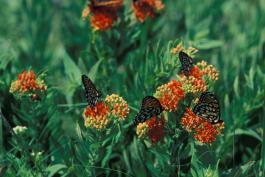
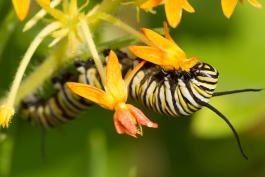
Butterfly weed, a type of milkweed, is a favorite nectar plant for butterflies, and the leaves are eaten by monarch caterpillars. One of our showiest native wildflowers, butterfly weed is also a favorite of gardeners.
Butterfly weed is an herbaceous perennial milkweed, often bushy with several stems arising from the base. Unlike most other milkweeds, the sap of this species is not milky.
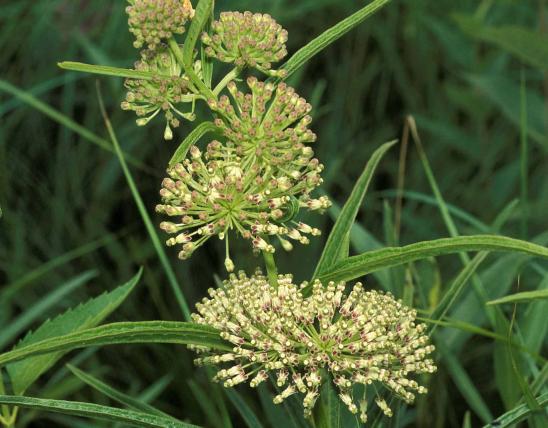
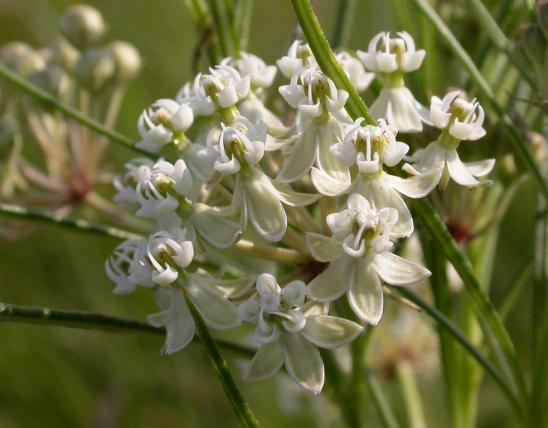
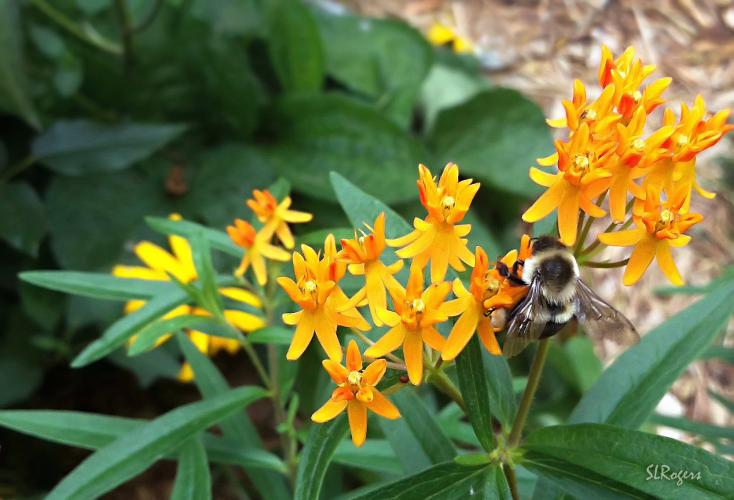
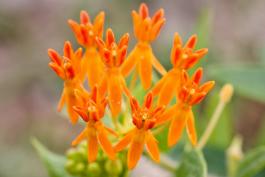
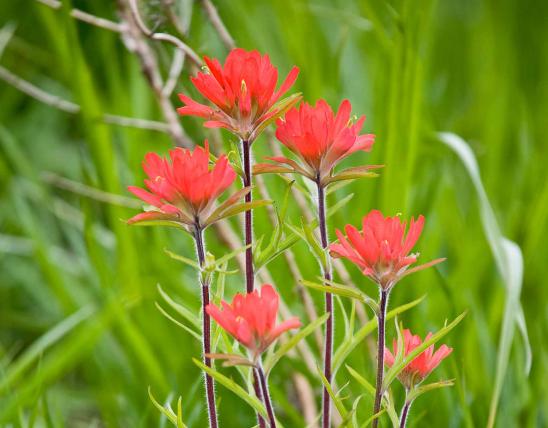
The flowers can be massively displayed in terminal umbels (umbrella-like clusters with stalks all arising from the tip of the stem). The flowers have the typical configuration of milkweeds and may be many shades of bright orange to brick red, or occasionally yellow.
Blooms May–September.
The leaves are hairy, narrow, lance-shaped, dark green, on very short stems.
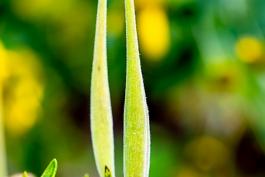
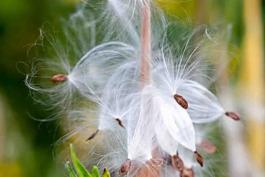
The fruits are long seedpods, to 4½ inches long, with numerous, tightly packed seeds in spirals, released and windborne on their silky floss.
Similar species: There are nearly 20 species in the genus Asclepias in our state. The flower shape of milkweeds is very distinctive. This is our only milkweed with orange flowers, and the plant's shrubby shape is distinctive, too.
Learn more about Missouri's milkweeds on their group page and on the several other individual species pages in this guide.
Other Common Names
Butterflyweed
Butterfly Milkweed
Pleurisy Root
Chigger Flower
Size
Height: to 3 feet.
Where To Find

Statewide.
Habitat and Conservation
Occurs in upland fields, prairies, glades, roadsides, wasteland, dry and rocky woods, and edges of woods, often on disturbed soil.
Status
Native Missouri wildflower.
Human Connections
Butterfly weed is valued as a gorgeous native garden plant that is superb for attracting butterflies. It is not weedy. As more people have learned about the decline of monarch butterflies, this and other milkweeds have become extremely popular. Note that the deep-set, fleshy rhizomes are easily damaged during transplanting, so plants for the garden should be grown from seeds or purchased from reputable nurseries.
This showy flower has been cultivated in different growth forms and to accentuate different shades of orange, yellow, and red.
An antique common name, "pleurisy root," comes from this plant's historic use as a remedy for lung inflammation. There were many other medicinal uses made of this plant, which induces vomiting.
Although butterfly weed is a type of milkweed, it is not usually called "butterfly milkweed" because it lacks the milky sap that gives the group its common name.
Ecosystem Connections
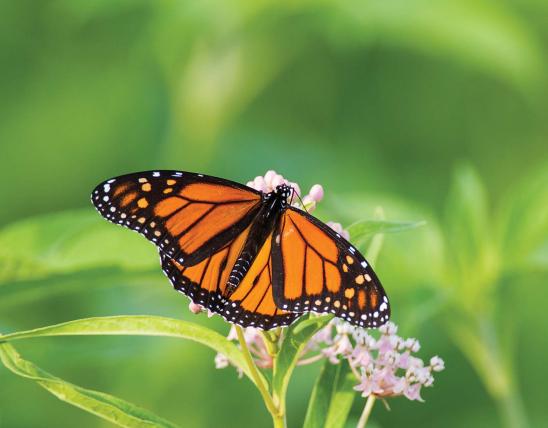
In case the name doesn't make it clear, this milkweed is a favorite nectar plant for many butterflies, and the leaves are eaten by the caterpillars of monarch butterflies.
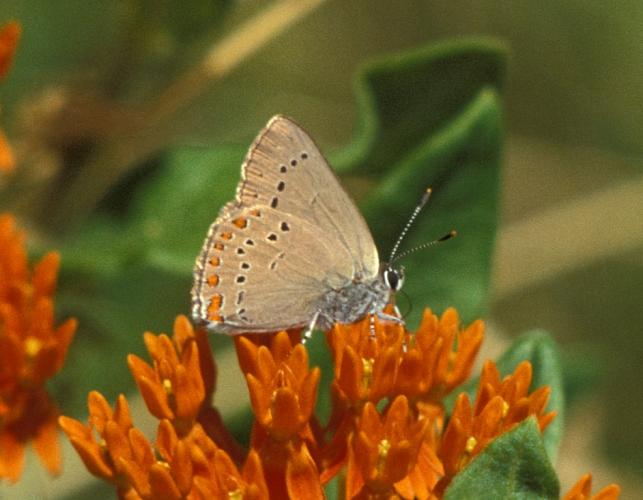
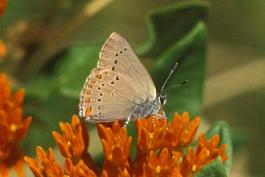
While you’re admiring butterfly weed's orange flowers, keep an eye out for coral hairstreak butterflies. The single brood of this local and uncommon butterfly extends only from mid-June through July. The coral hairstreak has been described as being “addicted” to the blossoms of butterfly weed: “other flowers are practically ignored when this plant is present.”
Many other insects visit the flowers for nectar or chomp on the leaves, too, and their presence usually draws spiders, ambush and assassin bugs, robber flies, and other predators, forming a mini-ecosystem right on the plant. All of these invertebrates, including the predators, may be on the menu for insect-eating birds.
Evidence based on molecular (DNA) studies has persuaded botanists that the milkweeds, which used to have their own family, should be grouped within the dogbane family, the Apocynaceae. Formerly, the milkweeds were placed in their own family, the Asclepiadaceae, but now they are considered a well-defined subdivision of the dogbane family. Be aware that books and other references will differ.
Title
Media Gallery
Image

Caption
Butterfly weed, a type of milkweed, is a favorite nectar plant for butterflies, and the leaves are eaten by the caterpillars of monarchs. One of our showiest native wildflowers, butterfly weed is also a favorite of gardeners.
Credit
David Stonner
Right to Use
Photo by David Stonner, courtesy Missouri Department of Conservation
Image

Caption
Butterfly weed, striking for its pure orange color, occurs in upland fields, prairies, glades, roadsides, wasteland, dry and rocky woods, and edges of woods, often on disturbed soil.
Credit
Noppadol Paothong
Right to Use
Photo by Noppadol Paothong, courtesy Missouri Department of Conservation
Image

Caption
A close look at the individual flowers of butterfly weed shows they have the same unique structure as other milkweeds.
Credit
David Stonner
Right to Use
Photo by David Stonner, courtesy Missouri Department of Conservation
Image

Caption
The flowers of butterfly weed are massively displayed in umbrella-like clusters, with stalks all arising from the tip of the stem. They can be many shades of orange to brick red, and occasionally yellow.
Right to Use
Photo by MDC Staff, courtesy Missouri Department of Conservation
Image

Credit
Submitted by Mike Conley
Right to Use
Use of this image is restricted to MDC only
Image
Caption
The coral hairstreak is the only Missouri hairstreak lacking hindwing “tails” and without a blue spot on the outer hindwing edge. It loves butterfly weed flowers.
Credit
Dave Tylka
Right to Use
Photo by Dave Tylka, courtesy Missouri Department of Conservation
Image

Credit
MDC
Right to Use
Photo by MDC, courtesy Missouri Department of Conservation
Image

Credit
MDC
Right to Use
Photo by MDC, courtesy Missouri Department of Conservation
Image

Credit
MDC
Right to Use
Photo by MDC, courtesy Missouri Department of Conservation
Image
Credit
Submitted by Su Lyn Rogers
Right to Use
Use of this image is restricted to MDC only
Image
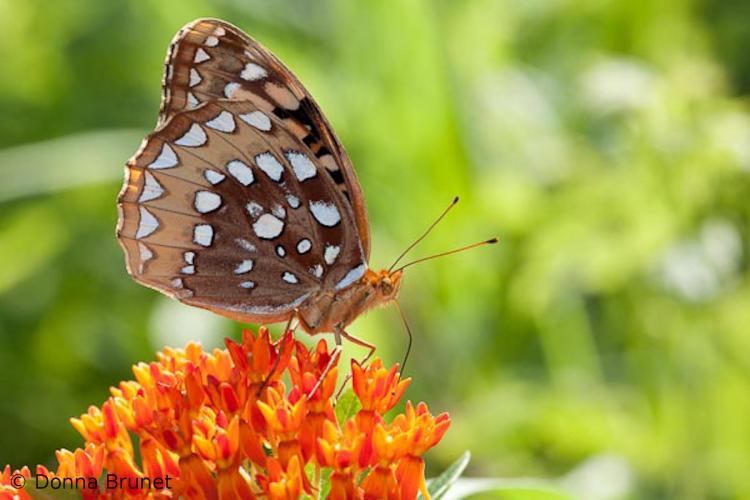
Caption
Great spangled fritillaries have the hindwing undersides with prominent silvery white spots on a dark brown background, with a tan band along the outer margin.
Credit
Donna Brunet
Right to Use
Use of this image is restricted to MDC only on this page
Image

Caption
Olive hairstreaks are locally abundant in association with red cedar in the Ozarks. They are rarer in other regions of the state.
Credit
Dave Tylka
Right to Use
Photo by Dave Tylka, courtesy Missouri Department of Conservation
Image
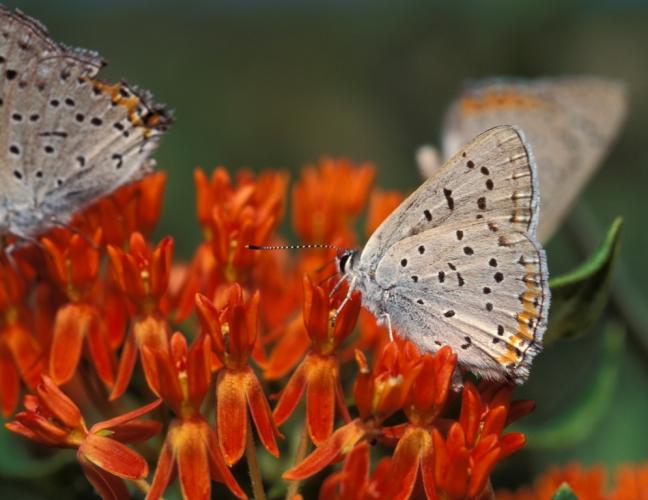
Caption
Gray coppers are locally abundant in many well-established breeding colonies in western Missouri. In the eastern half of the state, they are rare.
Credit
Jim Rathert
Right to Use
Photo by Jim Rathert, courtesy Missouri Department of Conservation
Image

Caption
Regal fritillaries take nectar from butterfly weed and other milkweeds in native tallgrass prairies.
Credit
MDC Staff
Right to Use
Photo by MDC Staff, courtesy Missouri Department of Conservation
Image

Caption
A monarch butterfly caterpillar feeds on butterfly milkweed flowers.
Credit
MDC Photo
Right to Use
Photo by MDC Photo, courtesy Missouri Department of Conservation
Image

Image

Image
Image

Image

Image
Image
Image
Image
Image

Image

Image

Image

Image
Image
Title
Similar Species
Similar Species
Media

Media

Media

Media

Media

Media
Where to See Species
Canaan Conservation Area is located in Gasconade County, near Bland. Take Route A about 1.2 miles north from Bland to the Conservation Area's southern most access road.
About Wildflowers, Grasses and Other Nonwoody Plants in Missouri
A very simple way of thinking about the green world is to divide the vascular plants into two groups: woody and nonwoody (or herbaceous). But this is an artificial division; many plant families include some species that are woody and some that are not. The diversity of nonwoody vascular plants is staggering! Think of all the ferns, grasses, sedges, lilies, peas, sunflowers, nightshades, milkweeds, mustards, mints, and mallows — weeds and wildflowers — and many more!