








Annual Prospects Report
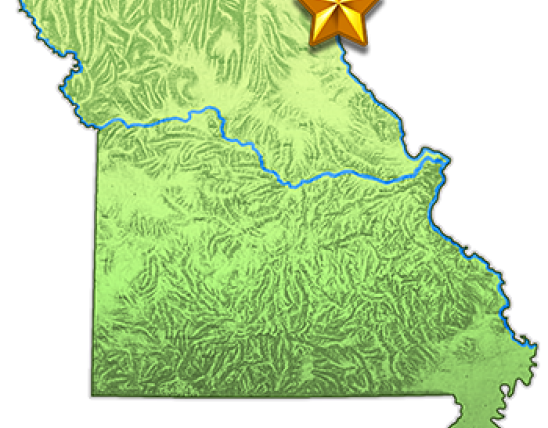
Angling opportunities on Pools 20-25 of the Upper Mississippi River are as diverse as the habitats created by both man and nature. The upper portion of a pool typically resembles pre-impoundment conditions, with swifter current, deeper side channels, and relatively few connected backwaters. The lower portion of a pool becomes more like an impoundment with some current, shallower side channels, and connected backwaters.
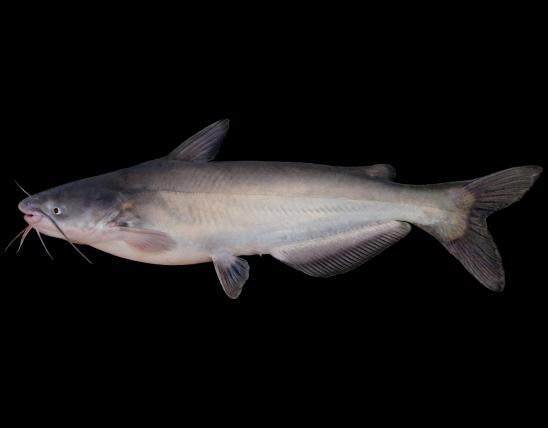
Channel catfish can be found throughout the pools near woody drift piles, wing dikes, natural shorelines, sand bars, and rock protected banks. They can be caught on a variety of natural or prepared baits, depending on the season. Flathead catfish are typically found near woody cover or rock structures. Flathead catfish prefer live bait and are generally active at night. Most are caught on trotlines or bank lines baited with live sunfish. Small flathead catfish are very abundant, but several 40 pound plus flatheads were caught during spring electrofishing surveys. Blue catfish are also found in the Upper Mississippi River, but are less abundant than other catfish species, especially in the most upstream pools. Best locations to catch blue catfish include deep holes, in the main channel, and especially in lock and dam tailwaters, and around rock structures. Favored baits include cut shad or herring and shrimp. Although uncommon, some blues may exceed 70 pounds.
Sauger and walleye prefer a hard, rocky river bottom and are usually found near wing dikes or riprap shorelines during warm months. They concentrate in deeper water during the winter, usually near dam tailwaters. Cool temperatures with minimal flow through the navigation dams are the best conditions for fishing success. The best technique for catching walleye and sauger near tailwaters is to fish a heavy jig, possibly tipped with a live minnow, near the bottom.
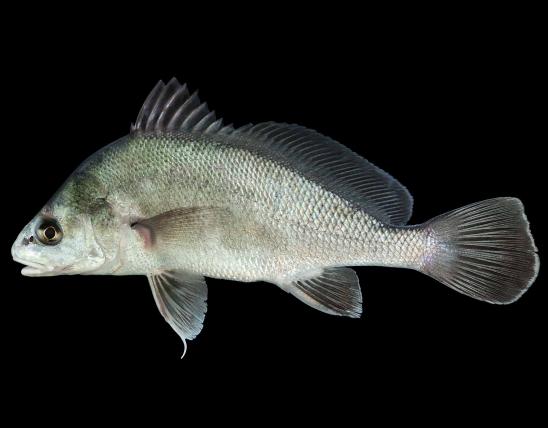
Slack water areas associated with wing dikes, tributaries, and backwaters are home to largemouth bass, bluegill, and crappie. Freshwater drum, the most common fish caught by anglers, can be found in almost any habitat, and caught on a wide variety of artificial and natural baits.
Three species of sturgeon can be found in the Mississippi River: shovelnose, pallid, and lake sturgeon. All can be caught on worms, but the shovelnose sturgeon is the only species of the three that is legal to harvest. Pallid sturgeon and lake sturgeon are both protected species and must be released immediately if caught. Anglers are encouraged to educate themselves about sturgeon identification, as shovelnose and pallid sturgeon are often confused with each other. Lake sturgeon, catches have increased in recent years due to state efforts to recover this endangered species. If you are fortunate enough to catch a pallid sturgeon or lake sturgeon, please check the fish for any tags, estimate its length, and note the location before returning it to the water unharmed. Additionally, contact your local MDC office at 573-248-2530 with the information you’ve gathered.
Anglers should use caution when boating in slack water areas of the Mississippi River. Bighead carp and silver carp, which are invasive species, are abundant and tend to jump in front of and into moving boats, so anglers are urged to be cautious. To slow the spread of invasive species like zebra mussels, all anglers should carefully inspect and wash their boats and trailers with hot water and drain and disinfect live wells before moving to another stream or lake.
Public boat ramps are available near lock and dams located at Canton, MO, Quincy, IL, Saverton, MO, Clarksville, MO, Winfield, MO, Alton, IL. There are several other boat ramps located along the river as well.