







Looking for Bugs in Sandy-Soiled Place
Biologists assess pollinator diversity on sand prairies in southeast Missouri
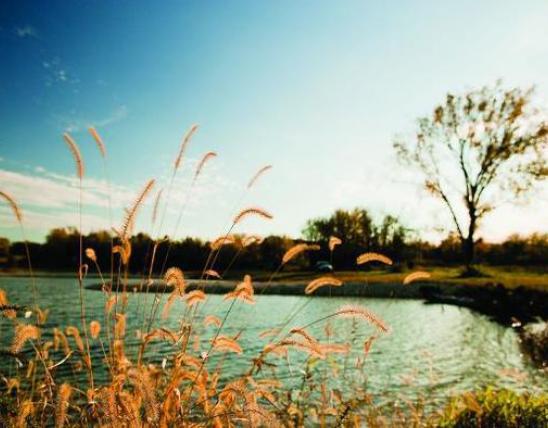
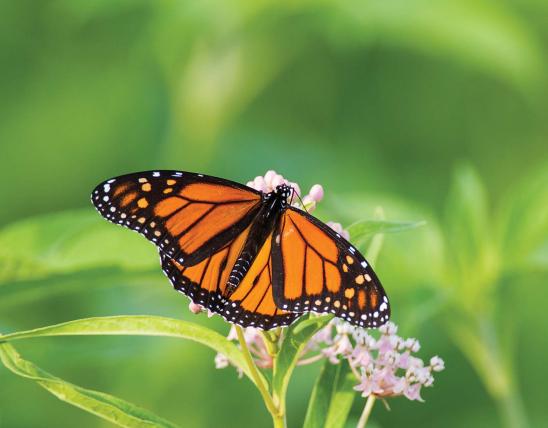
Scattered along the Mississippi floodplains are pockets of land called sand prairies. Despite sandy soil and patches of bare ground — or rather because of them — sand prairies are home to a unique array of plants and animals.
In 2024, MDC Pollinator Ecologist Alex Morphew and biologists Steve Schell and Josh Wibbenmeyer surveyed seven sand prairies in southeast Missouri. They visited both remnant and restored sites, focusing on pollinating insects and the plants they depend on.
“We wanted to establish a baseline understanding of the ‘flower-visiting’ insects,” Morphew said. “We know they should be highly diverse, not just because of the sand prairie element, but because the Bootheel is a transition zone between the Southeast, the Ozarks, and the Great Plains.”
The team collected more than 1,600 insects. Some bees and butterflies could be identified on the wing, but most were collected with nets or in tiny bowls that mimic flowers and brought back to the lab for identification.
“With so much diversity,” Morphew explained, “we needed to look at the insects under a microscope to identify the species.”
Of the insects captured, more than 800 were bees, representing at least 114 species, or about 20 percent of the total number of bee species known to live in the state. A mix of habitat generalists and sand prairie specialists were found, along with bees that rely on pollen from specific flower species. The work of identifying the remaining insects, including beetles, wasps, and butterflies, is ongoing.
The team also identified at least 185 species of flowering plants of which seven are Missouri species of conservation concern.
“Every time we went out, we did our best to record every flowering species that we encountered, and we tried to get a rough estimate of their relative abundances across the site,” Morphew said.
The plan is to survey the sites every five to 10 years to see if the insect or plant communities have changed. This data, combined with the natural history and host plant requirements of the insects, can help inform management decisions on these lands.
At a Glance
Sand Prairie Pollinator Inventory
In southeast Missouri, 810 acres of sand prairie across seven sites were surveyed for pollinating insects. About 1,600 individual insects were collected; 52 percent were bees.
114 species of bees, including:
- 10 sand specialist species (live only in sandy areas)
- 14 pollen specialists (collect pollen only from specific plant species or families)
- 9 cleptoparasitic species (sneak into other bees’ nests and lay their eggs there)
Identification of wasps, butterflies, beetles, and other species is still underway.
Partners
Missouri Prairie Foundation, private landowners


And More...
This Issue's Staff
Editor – Angie Daly Morfeld
Associate Editor – Larry Archer
Photography Editor – Ben Nickelson
Staff Writer – Kristie Hilgedick
Staff Writer – Joe Jerek
Staff Writer – Dianne Van Dien
Designer – Marci Porter
Designer – Kate Morrow
Photographer – Noppadol Paothong
Photographer – David Stonner
Circulation – Marcia Hale