






The Boone County Nature School is a public school entity and a partnership between Columbia Public Schools and the Missouri Department of Conservation. The area is closed to general public use. Any individual or group wishing to participate in activities on the Boone County Nature School campus, including daily or overnight use, must first complete and receive approval through a Special Use Permit application. Activities are not permitted without an approved application, and access is granted only as outlined in the permit.
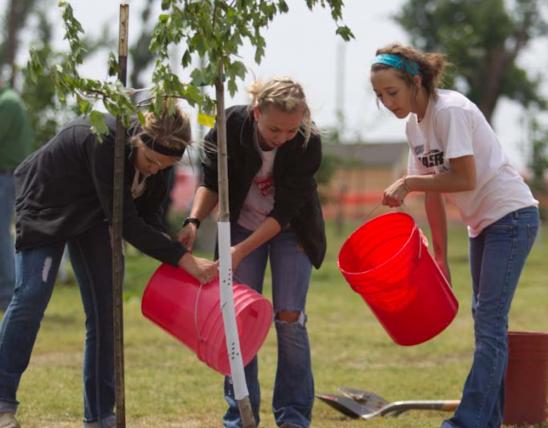
This partnership between Columbia Public Schools and the Missouri Department of Conservation has resulted in a unique outdoor campus where nature becomes the focus by which all lessons are taught. During the school day and throughout the school year, education is the primary and exclusive focus of the area. The mission of the Boone County Nature School is to provide students with place-based education while learning about the natural world, sustainable agriculture methods, developing outdoor skills, and enhancing their overall health.
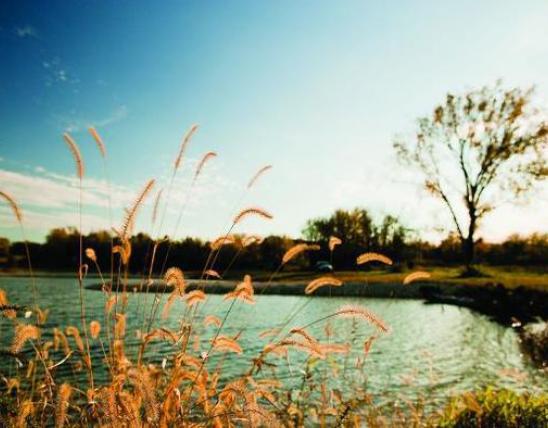
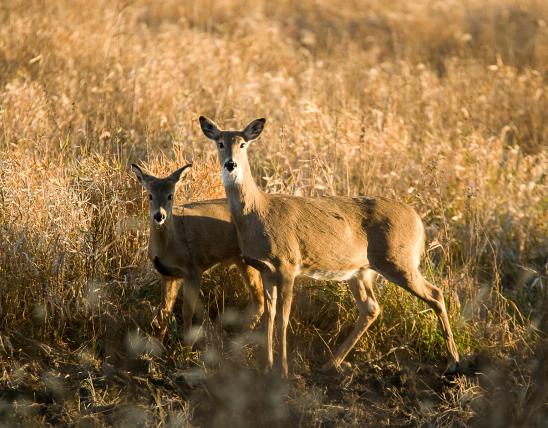
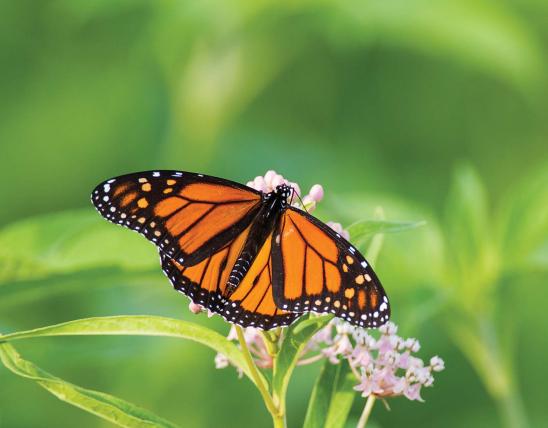
The nature school campus is located on 111 acres and features four native landscapes, prairies, aquatic ecosystems, forests, and karst topography. There is an outdoor education pavilion with privy restrooms, a 360-degree council house with stadium seating, an archery range, fishing ponds, prairies, pollinator plots, gardens, and elderberry fields. The Missouri Department of Conservation provides year-round educational opportunities related to outdoor skills and nature. The area is closed to general public use but may be reserved under a Special Use Permit for daily or overnight use.
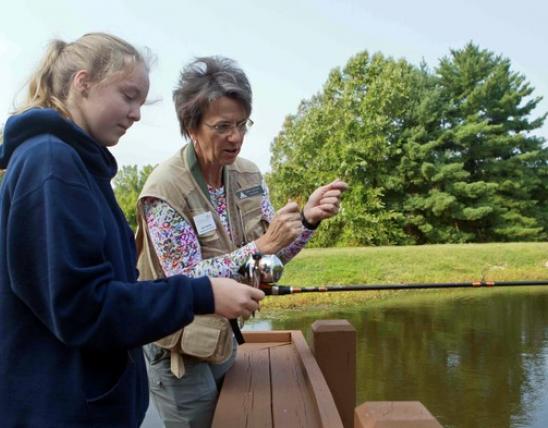
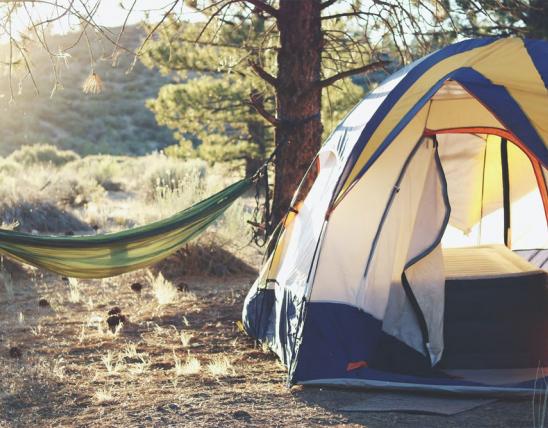
This area is used for research and management, and all the flags, markers, and other items need to be left in their exact locations. Removing these items could impact on the research work. Hammocks may only be used with nylon suspension straps; no string, bolts or hardware may be put into the trees. Collection or removal of any item is prohibited from the area. This includes wildflowers and berries. Hunting is not allowed. Pets and hunting dogs are not permitted. Catch and release fishing is allowed with Special Use Permit. All fishing regulations and licensing requirements apply.
The area enforces a strict Leave No Trace Policy, which refers to a set of conservation ethics that aim to leave nature unchanged by human presence, while allowing for an interactive experience with nature.
For more detailed information about the Boone County Nature School, please visit: www.boonecountynatureschool.com/about/our-campus/
About Our Campus
To apply for a Special Use Permit, please visit: www.boonecountynatureschool.com/special-use-permit/
Special Use Permit - Boone County Nature School
This area and the education building is closed to general public use but may be reserved under a Special Use Permit for daily or overnight use.
From Columbia, take Highway 63 South 3 miles, turn right onto E Highway Ab / E Deer Park Rd, turn left onto MO-163, destination will be on the right.
Map Info
Area Regulations
3607 - 3CSR 10-11 - 110 General Provisions
Department areas designated as open to the public may be accessed and used for hiking; sightseeing; nature observation; entering or remaining on designated portions of department areas; possession of pets and hunting dogs; field trials; use of vehicles, bicycles, horses, and horseback riding; collecting of nuts, berries, fruits, edible wild greens, and mushrooms; camping; tree stands; target shooting and use of shooting ranges; decoys and blinds; use of boats and motors; taking bullfrogs and green frogs; hunting; trapping; and fishing. The locations and times when department areas may be entered, remained on, or used for these activities may be further restricted by Chapter 11 of the Wildlife Code, signs, this conservation atlas, or area maps. In addition to the rules of the Wildlife Code, federal, state and local laws apply on department lands.
The following activities are prohibited on department areas and may not be authorized by a special use permit:
1. Destruction, defacing, or removal of department property
2. Digging or excavating
3. Guiding for pay
4. Military or law enforcement training by nongovernment entities
5. Placing of grain, salt products, minerals, and other consumable products on land
6. Placing or using trail or game cameras or other similar devices
7. Use of paint ball, airsoft, or similar projectile weapons not specifically authorized by this Code
8. Placement of honey bee apiaries
9. Parking or storage of watercraft and commercial vehicles during closed hours
10. Use of fireworks
11. Use of remote-controlled boats or land vehicles
12. Prospecting, exploring, mining, or extracting minerals, metals, oil, natural gas, or other nonrenewable resources, except as specifically approved by the commission
13. Commercial or political advertising, except for commercial advertising by authorized concessionaires or by vendors participating in department events
Other activities not listed above, including commercial use and vending, may be authorized by a special use permit when the activity is compatible with other authorized activities. Special use permits may be issued only by the area manager or their designee. Issuance of a special use permit is at the discretion of the department. Application for a special use permit does not guarantee that one will be issued.
Signs, posted regulations, or area maps may further restrict activities, including designating portions of department areas as open or closed to public use. Department areas or designated portions of department areas may be closed, or regulations may be changed, through posting to protect the public from hazardous conditions and threats to public safety, to protect fish and wildlife resources, and for special events or resource management activities where public use conflicts are likely to occur. All persons entering, remaining on, or using a department area shall abide by signs, posted regulations, and area maps.