St. LOUIS, Mo.—The Missouri Department of Conservation (MDC) reminds hunters that a change in waterfowl hunting regulations for the entire Upper Mississippi Conservation Area (UMCA) will take place for the 2026 hunting season.
All portions of the UMCA, including areas that were once designated as restricted pool and open pool, will now follow statewide regulations on blinds and decoys as specified under the Wildlife Code of Missouri, Chapter 11, Special Regulations for Department Areas, 3 CSR 10-11.155, Decoys and Blinds:
Decoys and blinds are permitted but must be removed from the area daily and may not be left unattended between the hours of 10 p.m. and 4 a.m. Blinds may not be constructed on-site from woody vegetation except for willows (Salicaceae spp.). Boat blinds and temporary blinds will still be allowed.
“Moving to statewide regulations for decoys and blinds for waterfowl hunting will discontinue a long-standing tradition of permanent blinds. However, these changes will create expanded waterfowl hunting opportunities, offer more flexibility for waterfowl hunters, and simplify regulations in the UMCA,” said MDC Deputy Director-Resource Management, Laura Conlee.
“The changes will also bring the program into compliance with U.S. Army Corps of Engineers’ (USACE) regulations,” Conlee said.
Title 36, Part 327,Section 327.20 of USACE regulations prohibits the construction, placement, or existence of structures, including, non-portable hunting stands or blinds, on project lands or waters.
Waterfowl hunters are reminded that there still are some constructed blinds in the UMCA that have yet to be removed, but that hunting out of these blinds is no longer a permitted activity.
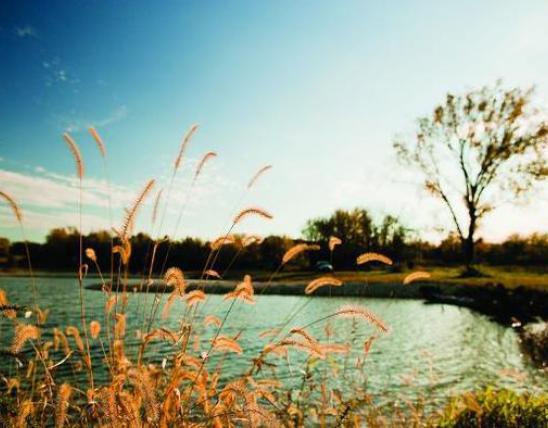
The Upper Mississippi Conservation Area includes federal lands along the Mississippi River north of St. Louis. These include Pools 24, 25, and 26 and consist of 87 separate tracts totaling 12,500 acres between Melvin Price Lock and Dam and LaGrange, Missouri. These tracts are managed under a cooperative agreement between the U.S. Fish and Wildlife Service and the USACE.