








About the Area
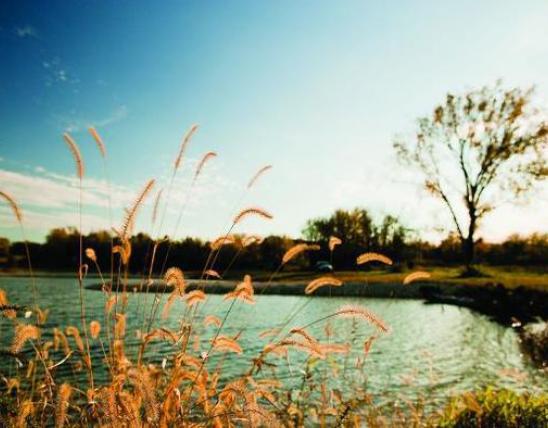
Dunn Ranch is a 3,200-acre prairie, some of which is remnant native prairie. There are many places to drive and park. Make sure to stop in at the headquarters first for both a map and current information on where the bison herd is located. The area has two 1,000-acre bison grazing units. If a unit is occupied by bison, it will be off limits to hikers. Any unoccupied bison unit along with the rest of the prairie is open. You can also walk old roads across the grasslands in search of birds. In the summer months, Dunn Rach is often referred to as Tick Ranch. Be prepared – wear long pants and long-sleeve shirts and use insect spray. (One effective trick is to duct tape your trouser legs to your boots). Don’t forget your camera, there is a vista over every hill, especially when wildflowers are in bloom and bison are in the tall grass.
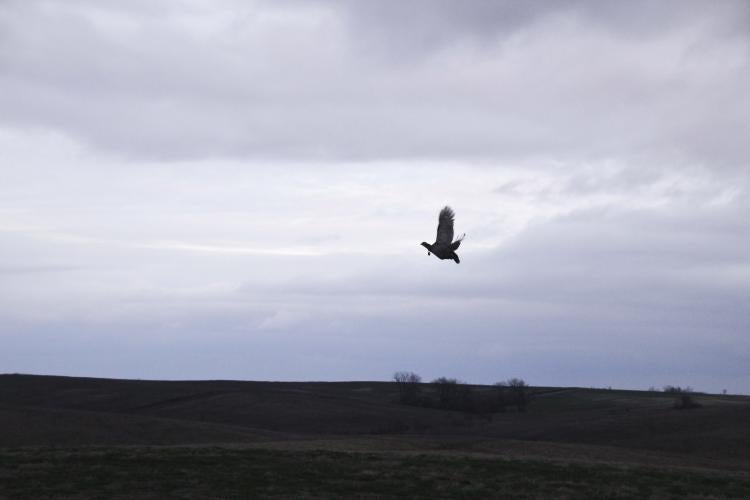
Dunn is also famous for its Greater Prairie-chicken lek. Visitors come from all over to sit in silence in the concealed observation dugout to photograph and witness one of nature’s most awesome displays. If you want to watch the males dance and boom to the hens, you must make reservations, because the lek is off limits during the breeding season.
Birding is excellent for grassland species including Northern Bobwhite, Ring-necked Pheasant, Upland Sandpiper, Henslow’s Sparrow, Bobolink, Bell’s Vireo, Northern Shrike, Sedge Wren, Great-tailed Grackle, Brewer’s Blackbird, and many others. Dunn Ranch is also a top-rated destination for winter sparrows. Hawks and falcons are seen often, and in the winter months you can find both Lapland and Chestnut-collared Longspurs. In total, 132 species have been documented across the grassland.
This preserve is owned by The Nature Conservancy and is part of a tallgrass prairie complex of 70,000 acres and extends into Iowa. The Nature Conservancy partners with the Missouri Department of Conservation and Iowa Department of Natural Resources to restore this prairie using prescribed fire, conservation grazing by bison, and woody vegetation reduction to maintain the open grassland landscape.
Driving direction: Remember to call ahead before your visit. From Kansas City, take I-35 north to exit 106 at Eagleville. Take W 170th St west out of Eagleville, turn north on MO-D/W 160th Ave. Turn east onto W 150th Street. Your parking lot will be on the south side of the road about a mile down, on W 17oth Lane.



The small town of Eagleville has a family-owned motel that is clean and modern. It sits right next to a truck stop with a very good restaurant. The area has many small antique shops and is also home of both Amish and Mennonite communities. The local stores offer excellent shopping for homemade furniture, organic foods, jam and jellies, and many other items.