







About the Area
Bee Hollow is a small 271-acre area of wooded hillside, wetland, and old field. The wooded hillsides are actually spoil ridges left behind by past coal mining. Look for a whole host of woodpeckers, including red-headed, pileated, and hairy. Also keep an eye out for vireos in the woodlands and their brushy edges. Bell’s, Philadelphia, warbling, red-eyed, and white-eyed vireos can be found here. Brown creeper, Carolina wren, and both yellow-billed and black-billed cuckoo visit these woodlands as well.
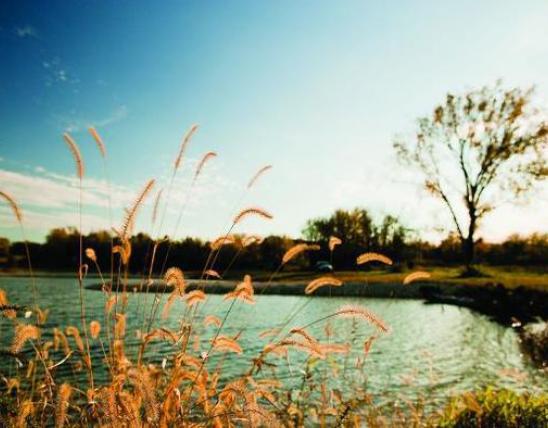
The wetlands at Bee Hollow are long, narrow, winding oxbow lakes and sloughs, filled with shrubs and emergent vegetation. These wetlands provide good habitat for a variety of waterbirds. Common waterfowl to the area include mallard, green-winged and blue-winged teal, wood duck, and hooded merganser. Marsh birds include pied-billed grebe, American bittern, least bittern, sora, and American coot. Belted kingfishers love foraging throughout these shrubby wetlands as well.
In the old fields and brushy edges, you’ll find your sparrow species. Eastern towhee, fox, lark, davannah, and Lincoln’s sparrows can be found. The area hosts wood warblers during migration and various species show up to the area in the spring and summer, including Louisiana waterthrush, cerulean warbler, golden-winged warbler, Blackburnian warbler, and more. The best way to bird the area is to park in one of the two lots on the north side of the area and walk south down the maintenance road. This unimproved road loops from one lot around through the woodland ridges and back to the other lot. You can also keep heading south to see additional wetland areas. The gate will usually be closed to vehicles, so plan to walk, especially if it has been raining. There are no amenities on the area, so plan ahead and enjoy your visit.
Eight miles south of Macon on Highway 63, exit west onto Jackpot Road. Jackpot Road does not have an exit sign, so look for the sign. The area will be on the south side of Jackpot Road after about a mile.

For food and fuel, you can visit Macon to the north or Moberly to the south. Nearby areas to bird include the Thomas Hill Reservoir, Long Branch Lake State Park, and Atlanta Conservation Area. About 30 minutes west on Highway 36 lies Swan Lake National Wildlife Refuge, Pershing State Park, and Fountain Grove Conservation Area. There are plenty of birding sites in the general area to fill up a day, or even a weekend, so have fun.