







About the Area
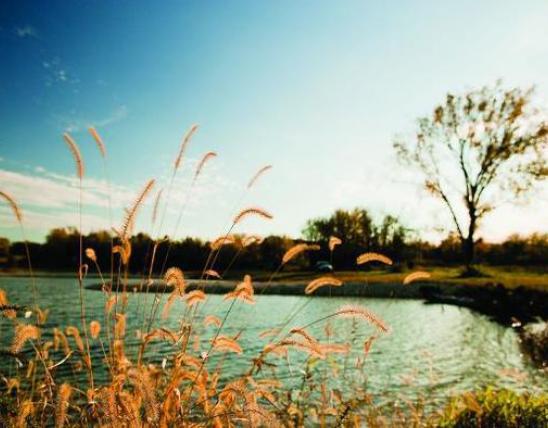
This 70-acre sanctuary is nestled in a habitat-rich valley within the city limits of Rolla. The property was purchased in 2001, and within its boundary you will find a remnant prairie with Indian grass that grows over seven feet high. There is also a small dolomite glade, a savanna, five acres of woodland, and a 25-acre upland deciduous forest with shortleaf pine. There is a spring-fed creek that runs through the center of the Nature Center with a smaller tributary spring-fed creek that feeds into the larger creek. This creek is a bird-rich riparian zone that runs over a quarter mile through the property.
The goal of the Ozark Rivers Audubon Chapter is to take maximum benefit of the habitat for the protection of birds and wildlife. Literally thousands of cedar trees have been removed to expose the remnant prairie. There are over three miles of trail through the area. During the spring and fall migrations, the Nature Center is full of migrating birds. Connecticut, mourning, bay-breasted, Wilson’s, blue-winged, and magnolia warblers have been seen in the fall. Sedge and marsh wrens can be seen and heard in the wet mesic prairie. In the spring and summer, you can hear the Louisiana waterthrush, Kentucky warbler, and wood thrush sing often throughout the day. But don’t stop there — you will find many birds that call the Ozarks home throughout the Nature Center. This small but habitat-rich environment will only become more bird-friendly as habitat restoration of the natural communities continues.
Google Maps Directions
From Interstate 44, take White Columns Drive north to Meriweather Court. Follow the signs to the Nature Center.


While in the Rolla area, you might also want to consider birding Little Prairie Conservation Area, Bohigian Conservation Area, Onondaga Cave State Park, and Lane Springs (National Forest property). Between St. James and Steelville on Highway 8 is Meramec Springs Park and Woodson K. Wood Conservation Area; both are part of the Upper Meramec Important Bird Area. Rolla is home of the Missouri University of Science and Technology. The city of 20,000 has all the services a birder would need, including hotels and many restaurants.