










“What’s beneath the surface that you don’t see. It’s the beauty that’s underneath the water.” Matt Ormsby
Fisheries RM Tech Matt Ormsby placed a GoPro camera in Blue Springs Creek as part of a visual survey and was surprised to find a colorful variety of fish. Just below the riffle, a male Hornyhead
chub had built a mound of gravel pieces for the female to lay her eggs. And in the “if you build it, they will come” vein, several minnows showed up to lay their eggs or eat those that hadn’t made it inside the structure. As Matt says it’s like free room and board for the other minnows who are breeding at the same time, with a protected mound that they didn’t have to build to lay their eggs.

MINNOWS
Matt notes that of the well over 300 species of fish in Missouri, about a third of them are minnows. Most minnows are small, less than three or four inches. While breeding, many come alive in brilliant colors of reds, oranges, yellows, and blues. Matt estimates about 25 to 30 species can be found in Blue Springs Creek where he placed his GoPro. Some of the fish seen include Rainbow darters, Orangethroat darters, Fantail darters, Bleeding shiners, Carmine shiners, Striped shiners, and Southern Redbelly dace. As Matt notes, they can be more colorful than fish in a pet store.
BLUE SPRINGS CREEK
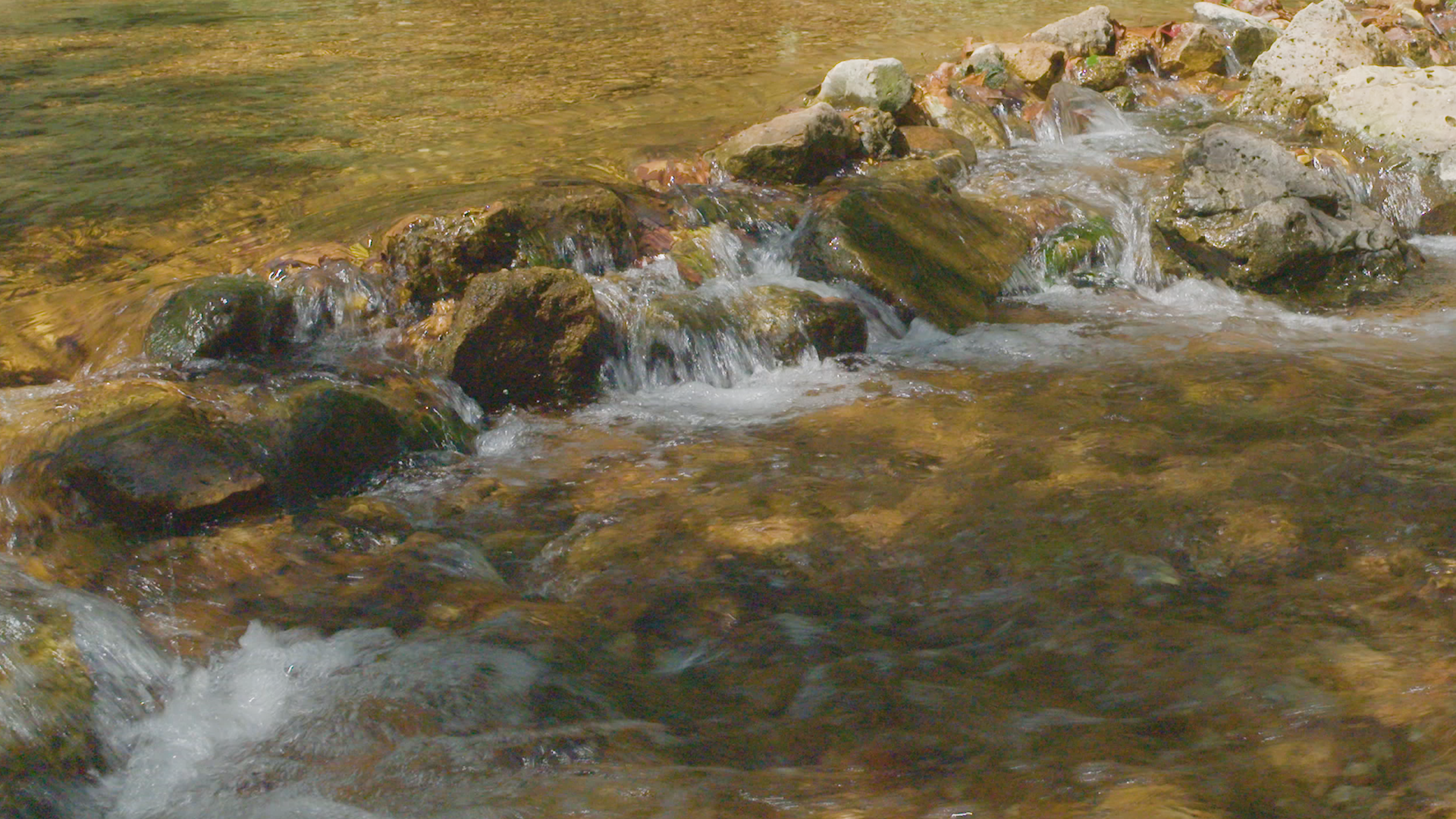
Blue Springs Creek flows through the Blue Springs Conservation Area in Bourbon, Missouri. It’s a blue-ribbon trout area that flows into the Meramec River. Fish here thrive in the cold, clear waters of a healthy stream. Spring into early summer offer the best viewing opportunities at Blue Springs creek. Matt suggests bringing goggles or a mask and snorkel and immersing in the creek on hot summer days to see the show. The show really needs to be observed underwater. He suggests watching from a few feet away downstream and not disturbing the fish. They will get used to folks quietly in the water and you will have a chance to see a lot of cool colors and behaviors of the fish going about their daily life.
CHUB MOUNDS
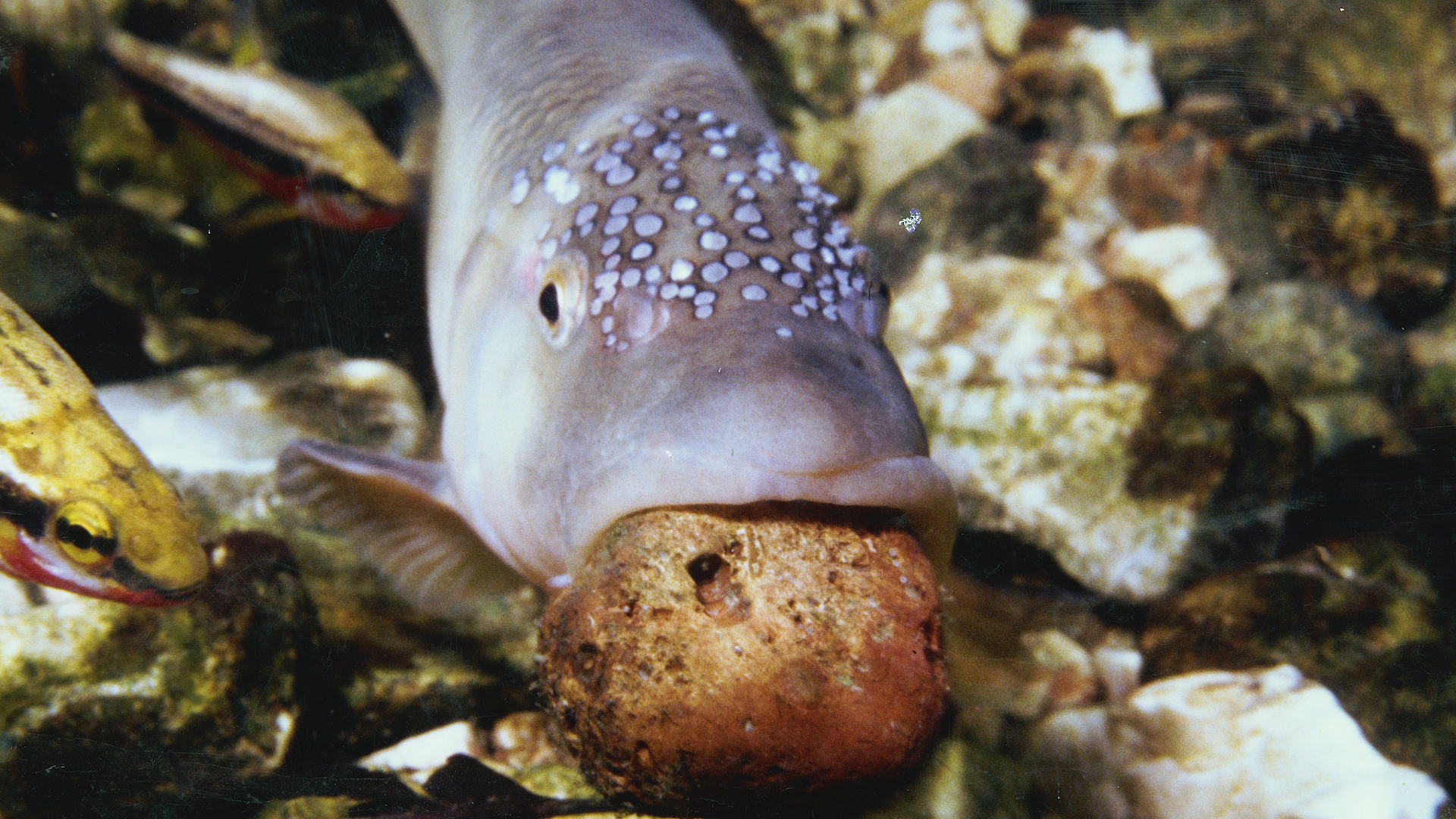
Among our species of chubs in Missouri are Hornyhead chubs. The mound in the video was built by a male Hornyhead by moving pieces of gravel by mouth. According to Matt it takes a lot of expended energy over time to construct these protected structures for the female to lay her eggs. A large Hornyhead can be up to 10 inches and build a mound as large as three feet wide, by up to two feet tall. They are usually built around riffles where the current can flow through preventing too much silt from covering and suffocating the eggs. The mound will also offer food for the hatching fry. The mounds are a big fish attractant for other fish species to benefit from a protected structure. Matt has seen dozens of species show up and notes how thrilling it is to observe so many species in their natural habitat and behaviors.
“By knowing what species are in the stream, we can know how to better manage that stream, either through regulations for fishing, or also for the habitat use of that stream, and recreational use of that stream.”
Matt Ormsby, Fisheries RM Technician.
Discover more about Missouri Minnows at https://mdc.mo.gov/discover-nature/field-guide/minnows


Recent Posts


