






Spotted knapweed is an invasive species that outcompetes plants in our native communities, takes over pastureland, and even beats back other invasive species! Learn to recognize it, and help prevent its spread.
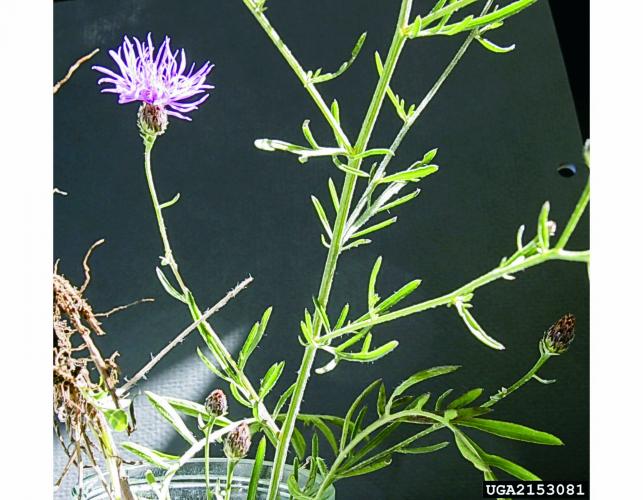
Spotted knapweed is a taprooted, short-lived perennial. By the end of its first year, a knapweed plant is a small basal rosette. It usually bolts in the second year, producing branched stems. A single plant can have a single stem or as many as 20 stems.
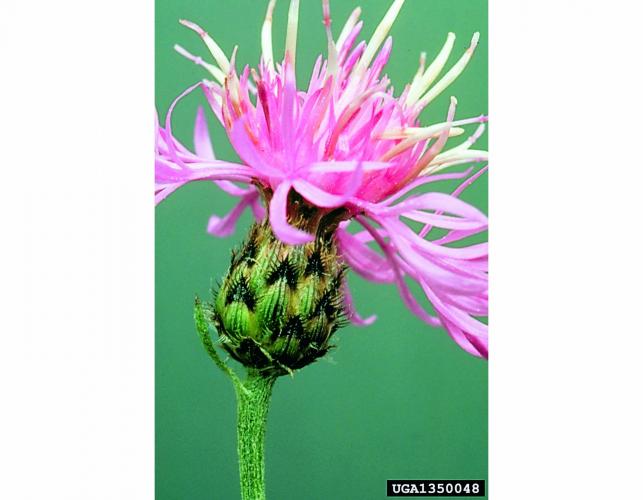
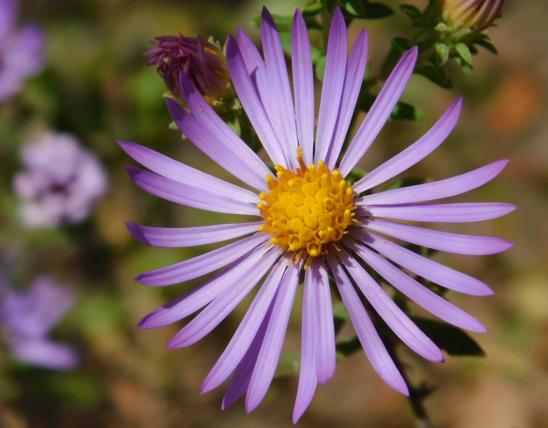
The flowerheads are small, thistlelike, and light purple to pinkish purple or rarely white. The flowers are numerous per plant. This species is named for the black, arrow-shaped spot on each green bract at the base of the flowerhead, below the many lavender flowers.
Blooms June–July.
The leaves are alternate, deeply lobed, and pale blue-gray.
The seeds have pappuses (little hairs) that enable wind dispersal. A single plant can produce as many as 1,000 seeds.
Similar species: Ten Centaurea species have been recorded for our state.
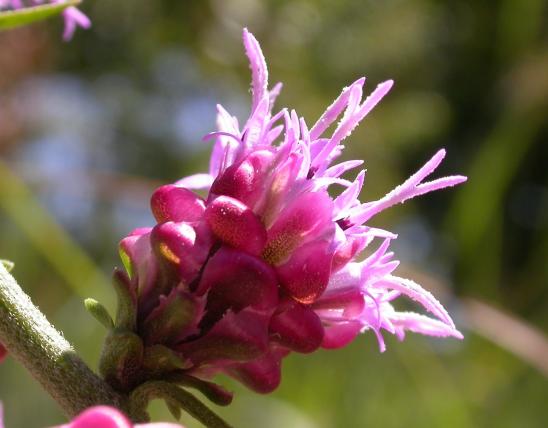
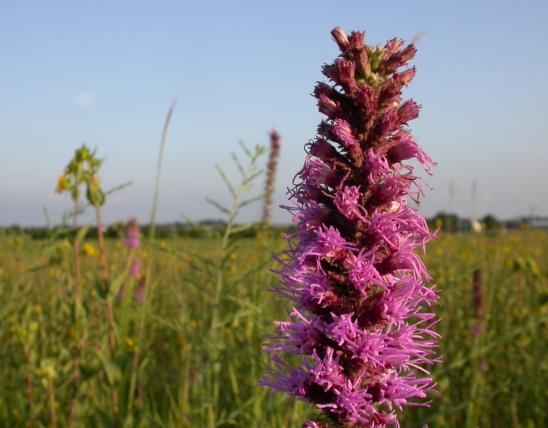
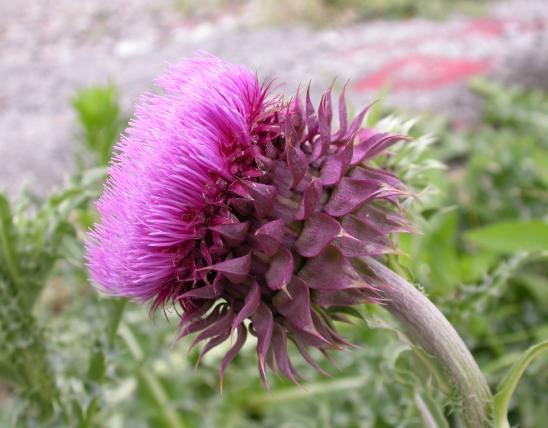
- American basket flower or starthistle (Centaurea americana) is uncommon as a native in southwest Missouri, and introduced sporadically elsewhere, sometimes cultivated as a garden flower. It's an annual with pinkish-purple, thistlelike flowerheads; the bracts at the base of the flowerhead resemble a basket-weave pattern.
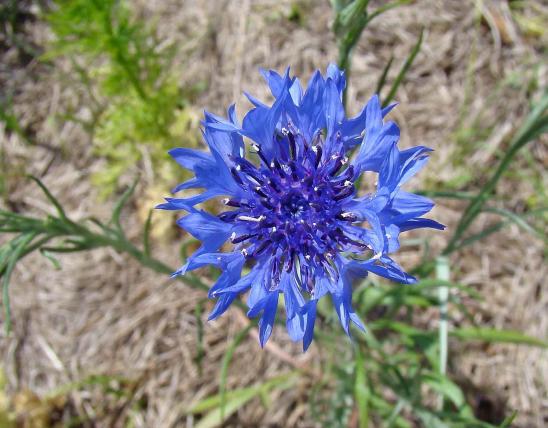
- Cornflower, or bachelor's button (Centaurea cyanus) is a popular garden flower that often escapes to nearby areas. It is closely related, but its bright blue (sometimes pink or white) flowers don't look much like spotted knapweed's.
- The other seven members of genus Centaurea recorded for Missouri are nonnative, introduced species known only from rare, limited, or historical collections. Some of them are severe invasives in other states.
Height: to 4 feet.

Mostly in southern, north-central, and eastern Missouri.
Habitat and Conservation
This invasive species prefers sunny, well-drained soils. It is often found in heavily disturbed sites, such as roadsides, gravel pits, and edges of agricultural fields, but it moves from those areas into undisturbed pastures, dry prairies, oak and pine woodlands, and rangeland.
Once established, it may take only a few years before it overwhelms and replaces pasture grasses, native plants, and even other invasive nonnative plants such as sericea lespedeza.
Status
Invasive, nonnative. Spotted knapweed probably came to this country in the 1890s as a contaminant in commercial seed imports from Eurasia.
Life Cycle
The seeds are the main form of dispersal. A single square foot of spotted knapweed can produce 5,000 seeds, which can remain viable for eight years or more.
As spotted knapweed seeds mature in late summer and fall, they can be spread on mowing equipment and in infested hay, seed, and gravel, or by hitchhiking on vehicles, other equipment, and even clothing. They can also spread by wind and water.
Spotted knapweed is one of several types of plants that can become tumbleweeds. The plant, with its mature seedheads, dries, then breaks away from its root at the base. The rounded plant then rolls around with the wind, sprinkling and distributing seeds from its many mature seedheads.
Control
Human Connections
Spotted knapweed, like other invasive plants, has major economic impacts. For example, it is estimated that Montana loses more than 40 million dollars annually in recreation, forage, and costs related to knapweed control. Spotted knapweed has spread to 45 US states.
Most livestock find spotted knapweed unpalatable, so they avoid eating it and eat other plants instead. Therefore, spotted knapweed increases as a percentage of plants on a pasture. As it spreads, the animals have less food.
Sheep find knapweed nutritious and can be sued to help control infestations.
The fight against spotted knapweed in North America has many fronts, and many strategies are being used. One study showed that dogs can be trained to locate small infestations of this species. Detecting early rosettes before flowering, and when a colony is still small, makes it much easier to treat successfully with herbicides.
Ecosystem Connections
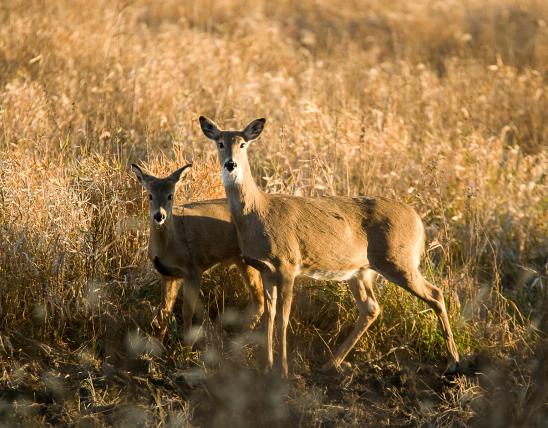
Wildlife, like livestock, find spotted knapweed unpalatable, so knapweed provides little food value to deer and other mammals.
Knapweed's presence increases soil runoff, erosion, and sedimentation in streams, reducing soil health and harming aquatic creatures.
Several species of insects, including certain moths, weevils, and flies, feed on spotted knapweed. These insects were imported from Eurasia to be used as biocontrol agents. Unfortunately, they do not usually eliminate the plant's ability to reproduce, and in some cases, their feeding may even stimulate the plants to grow more vigorously.