






Posted Oct. 1, 2026
October is here, and no month is more closely associated with the classic fall colors. The Ozarks hit an early color change because many trees went dormant early due to extreme drought conditions. Since then, three weeks have passed, and little else has changed. Trees will change faster, slower, sooner, or later based on multiple factors including site soil quality, sunlight exposure, elevation, and, of course, individual species variations.
While driving along in sunny conditions, you may see some trees changing, or fully changed; the same trees may still be fully green in a forested setting. As of now, most of our forest interiors remain summer-like. You will continue to see black walnuts, black gums, tulip trees (yellow poplars), flowering dogwoods, and eastern redbuds change if they haven’t already.
Maple trees, most often found as yard trees, will change at varying rates depending on species and variety. Maples can come in many varieties derived from naturally occurring species. The natural species found in Missouri are red maple, silver maple, and sugar maple. Silver maples will be yellow and lose leaves fast in the right environment. True red maples and sugar maples are not in full swing yet. Keep an eye out. Before long, full fall color will be here in the familiar reds, yellows, and oranges, with only the shortleaf pine adding any green.
Fall Color Hot Spots
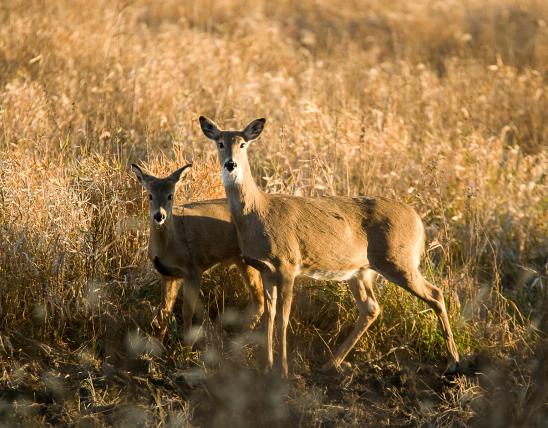
With hunting season approaching, early fall is a great time to visit Gist Ranch Conservation Area. In addition to peaceful hikes, Gist Ranch CA offers an excellent and well-maintained shooting range, which is the perfect place to sight in your rifle and sharpen your aim. The area also offers a great place for mushroom hunting and wildlife viewing.