

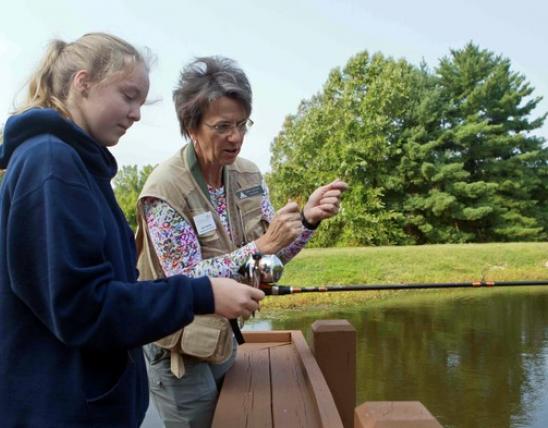
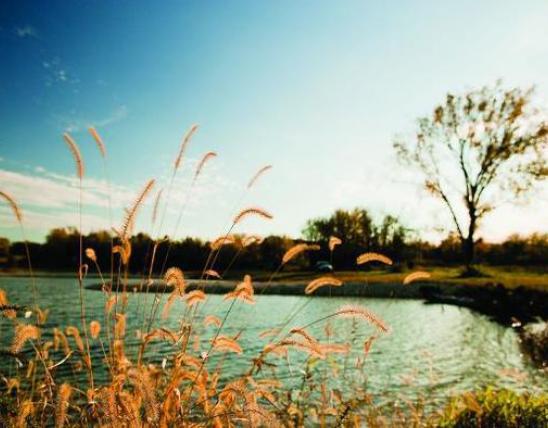
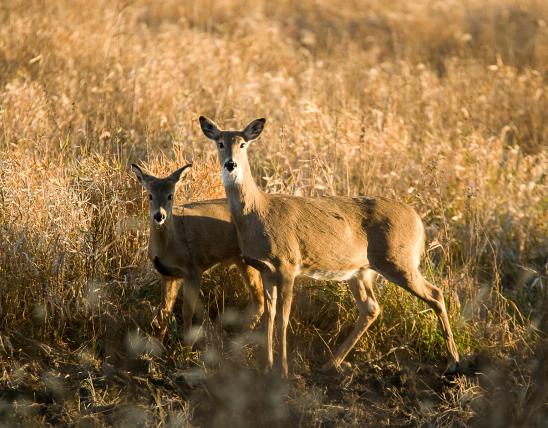




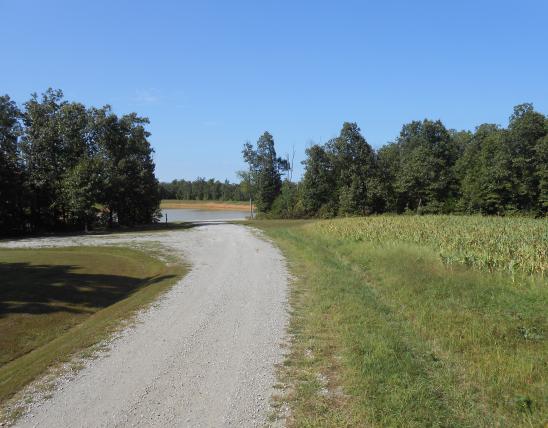
White Ranch Conservation Area is located in Howell County, approximately 11 miles south of West Plains. White Ranch is the local name for a region of land previously owned by Harry White.
Media
Scientific Name
Cathartes aura
Family
Cathartidae (New World vultures) in the order Cathartiformes
Description
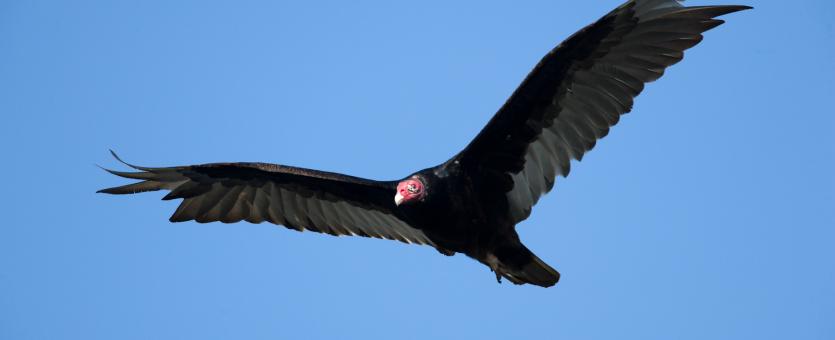
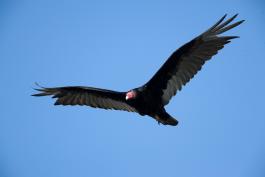
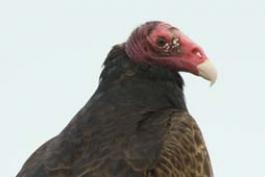
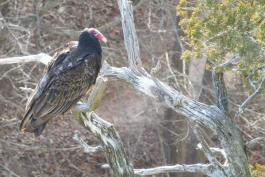
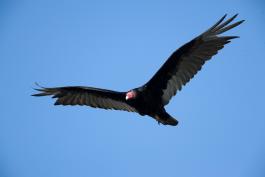
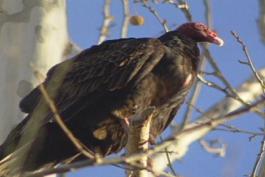
The turkey vulture is a large-bodied bird with blackish plumage and a small, red, featherless head (juveniles have gray heads). The beak is short, hooked, and whitish. The legs and feet are pink but often stained white. From below, the wings appear black with the trailing half of the wing gray or silvery. When soaring, turkey vultures hold their wings in a V position (not flattened horizontally). Turkey vultures frequently tilt from side to side as they soar. They have no voice box (syrinx), so they can only hiss and grunt when they vocalize.
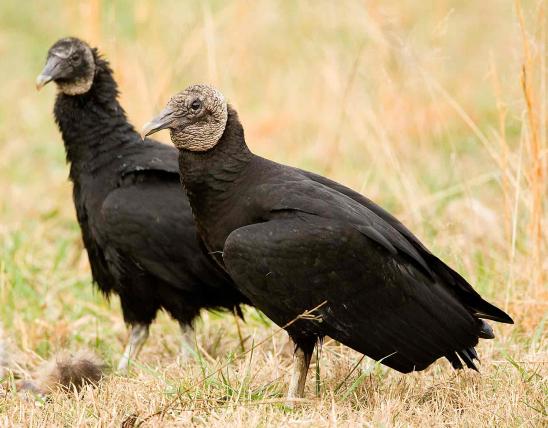
Similar species: Black vultures, common in the southeastern United States, are expanding their range northward, and Missouri sightings of them are increasing. Note their grayish-black head, shorter tail, and (seen from below) a white patch near the ends of the wings. When they soar, their wings are held nearly horizontal, and they frequently alternate between a series of three to four flaps and soaring.
Size
Length: 27 inches (tip of bill to tip of tail); wingspan: 70 inches.
Where To Find
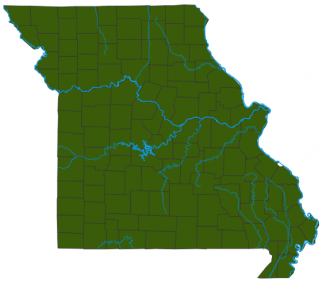
Common migrant and summer resident statewide, although less common in the southeastern part of the state. They are becoming locally common in the southern half of Missouri during the winter months.
Habitat and Conservation
Turkey vultures often soar over grasslands, forests, and agricultural areas and also may be seen near towns and cities. They are common along roadsides and will scavenge at landfills. They are especially fond of bluffs, where they can catch rising warm air currents upon which to soar.
Adults have very few natural predators; adverse factors include collisions with automobiles as they feed on road-killed carrion. They are subject to potential lead poisoning from feeding on animal remains left behind by hunters.
Food
Turkey vultures are highly specialized carrion feeders, locating their food by smell as well as by sight. They are often attracted to road-killed carcasses. They mainly feed on dead mammals, but will also eat dead reptiles, amphibians, birds, and fish. Sometimes they must wait for a carcass to begin to decompose and soften so their beaks can tear through the skin. Their immune systems protect them from botulism, salmonella, and other diseases that may be present on carrion.
Status
Common migrant; common summer resident (rare breeder, or absent in summer, in unforested parts of Mississippi Lowlands).
Life Cycle
Life Cycle
Turkey vultures roost in large colonies but forage individually. Roosts are generally in large trees. At dawn, they often move from the roost to perch in sunny areas as they wait for the sun to warm the ground and create the thermal air currents they need for soaring.
Breeding is in spring and involves courtship displays of several individuals. Turkey vultures nest in caves, cliffs, crevices, hollow trees, brushy thickets, and sometimes in abandoned buildings. They generally select nesting sites far from human activity. Very little is done in the way of making a nest. Eggs are laid directly on the ground, wood, leaf litter, etc. There are usually 2 chicks per clutch. The helpless young hatch in 30–40 days and are fed by the parents for 10–11 weeks. Families stay together until fall.
Human Connections
These remarkable birds impress us with their soaring flight and help clean up the natural areas we enjoy. Contrary to the beliefs of some, turkey vultures do not kill live animals and present no danger to livestock.
In the U.S., some people refer to turkey vultures as buzzards, but in Europe, the word buzzard refers to several species of hawks.
Ecosystem Connections
As scavengers, turkey vultures perform a valuable service by cleaning up the woods, grasslands, and even roadsides. Their ability to safely eat carrion containing pathogens such as anthrax and rabies helps reduce the spread of these diseases. Black vultures often rely on turkey vultures’ keen sense of smell to locate the carrion upon which they both feed.
Title
Media Gallery
Image
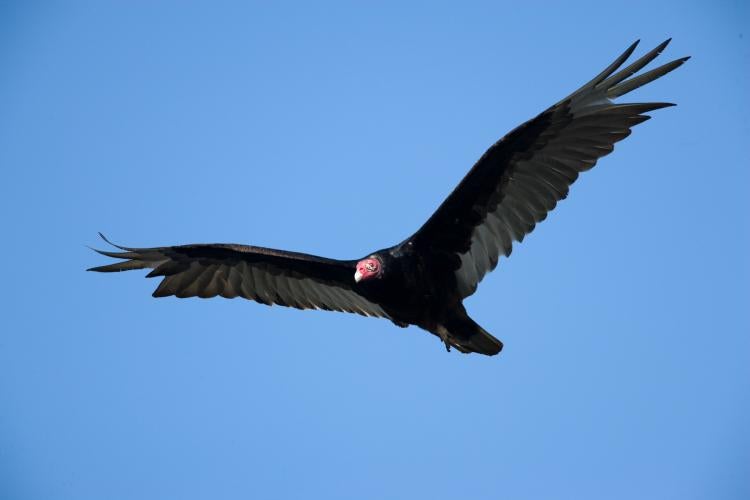
Credit
Noppadol Paothong
Right to Use
Photo by Noppadol Paothong, courtesy Missouri Department of Conservation
Image
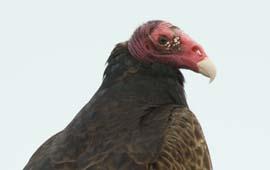
Caption
Turkey vultures use their keen sense of smell to find stinky dead animals to eat. Yum!
Right to Use
Photo by MDC Staff, courtesy Missouri Department of Conservation
Image
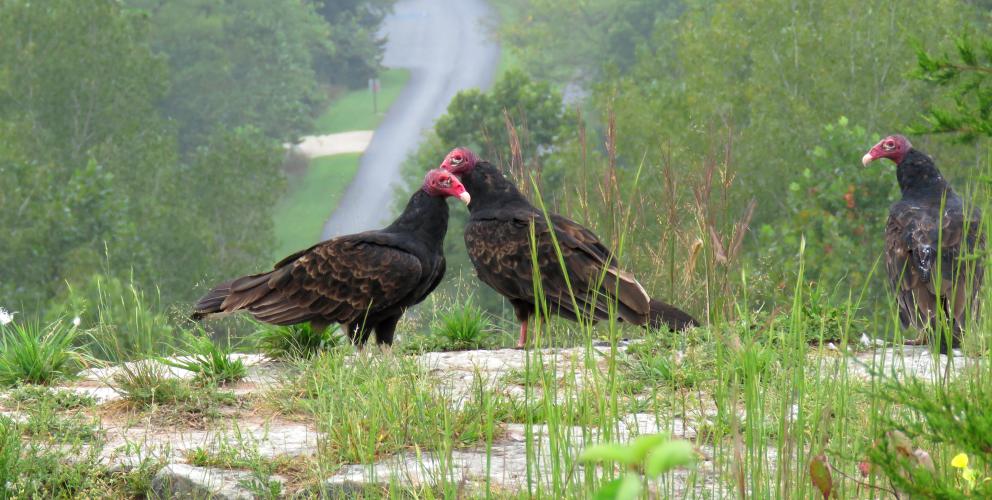
Credit
Submitted by John Sawhill
Right to Use
Use of this image is restricted to MDC only on this page
Image
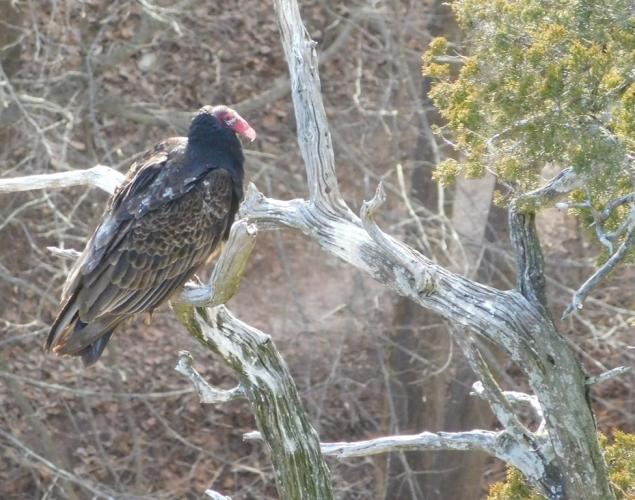
Caption
The turkey vulture is one of the few animal species strongly associated with cliff natural communities.
Right to Use
Photo by MDC Staff, courtesy Missouri Department of Conservation
Image
Caption
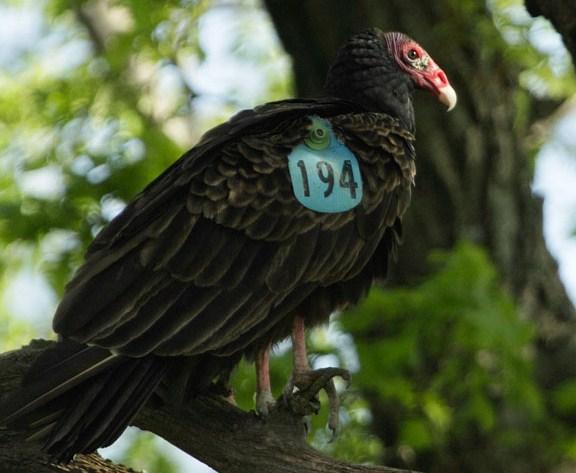
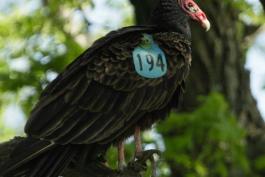
Turkey vultures bearing research tags like this one are part of a study on migration routes and breeding grounds used by these unique raptors.
Credit
Robert J. Weselmann
Right to Use
Photo by Robert J. Weselmann, courtesy Missouri Department of Conservation
Video file
Caption
Video of turkey vultures in the wild.
Credit
MDC
Right to Use
Audio file
Image
Image
Image
Image
Image
Thumbnail
Thumbnail
Title
Similar Species
Similar Species
Media
Media

Where to See Species

Chesapeake Fish Hatchery is one of four warm water fish hatcheries ran by the Missouri Department of Conservation.

In 1924 and 1925, the Missouri State Park system purchased 573 acres of land, including Bennett Spring and the hatchery. This area formed the nucleus of today's Bennett Spring State Park.
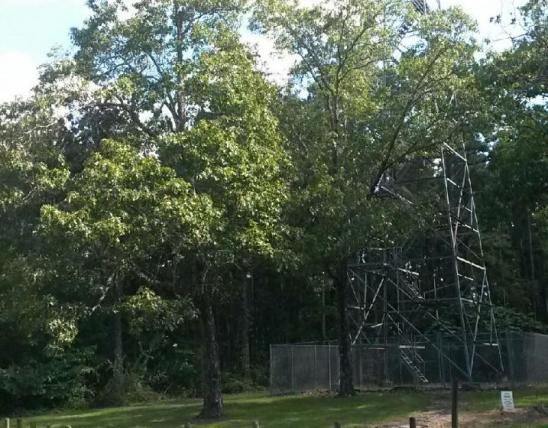
Although this conservation area is accessible to the public, its primary purpose is to house the Mtn View fire tower used by MDC staff to detect wildfires in this portion of the county.
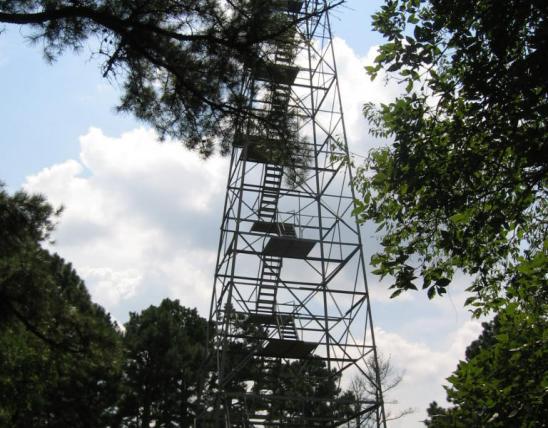
Montauk Tower Site is home to one of three fire towers in Dent County once used by the Department of Conservation to locate fires in Dent and surrounding counties.
About Birds in Missouri
About 350 species of birds are likely to be seen in Missouri, though nearly 400 have been recorded within our borders. Most people know a bird when they see one — it has feathers, wings, and a bill. Birds are warm-blooded, and most species can fly. Many migrate hundreds or thousands of miles. Birds lay hard-shelled eggs (often in a nest), and the parents care for the young. Many communicate with songs and calls.
Reviewed On